An office electrical safety checklist identifies critical inspections—from faulty wiring to overloaded circuits—to keep Smyrna and Wilmington offices compliant with Delaware’s electrical codes. Neglecting these checks can trigger up to $500 fines per violation in Kent and New Castle counties and risk costly downtime after electrical failures. We cover local code requirements, DIY inspection pointers versus professional checks, and preventative upgrades to protect your team.
Key takeaways
- Regularly inspect electrical cords for fraying, damage, or overheating.
- Avoid overloading outlets; use a quality surge protector for electronics.
- Keep all liquids away from electrical equipment and power sources.
- Ensure office outlets are properly grounded to prevent shocks.
- Unplug unused devices to conserve energy and minimize fire risks.
- Never run electrical cords under rugs or through doorways.
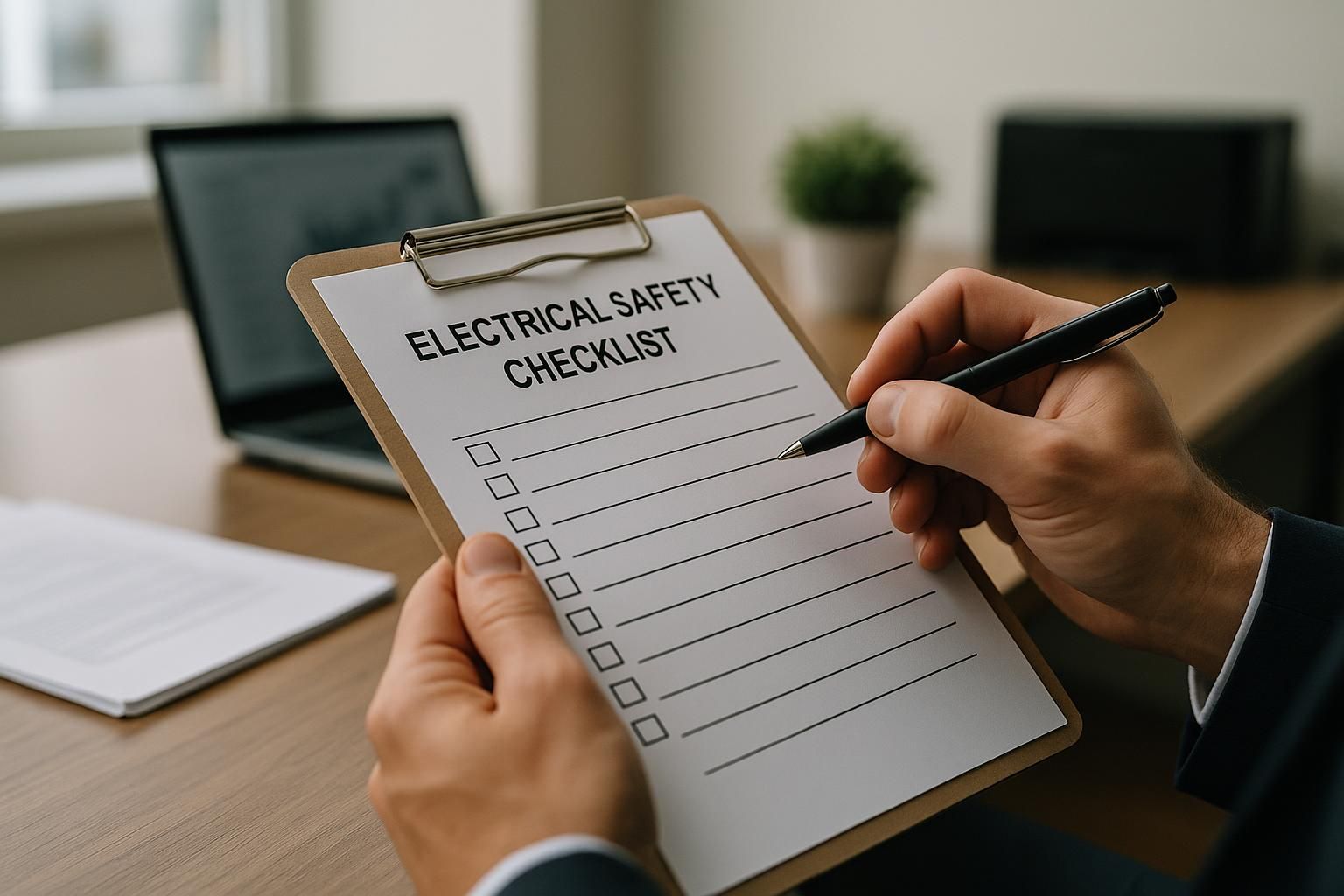
Office Electrical Safety Checklist: Key Items to Review
Your home office is a hub of productivity, but it can also harbor hidden electrical hazards. With numerous devices drawing power, overlooking basic electrical safety might lead to frustrating downtime or a serious incident. This checklist helps you identify common issues before they escalate, ensuring your workspace in Smyrna DE or across Kent County DE remains safe and efficient.
Essential Electrical Safety Items to Inspect
-
Cords and Plugs: Damage Detection
Examine all electrical cords and plugs for fraying, cracks, or pinching. Do plugs fit snugly? Loose plugs or damaged cords expose live wires, creating fire hazards. Never run cords under carpets or through doorways where they can be crushed.
-
Outlets and Switches: Warning Signs
Check outlets and light switches. Are they warm to the touch? Do they show scorch marks, discoloration, or buzz? These are red flags for potential electrical issues, requiring prompt attention.
-
Power Strips and Surge Protectors: Smart Usage
Are you using UL-listed surge protectors, not just simple extension cords? Avoid “daisy-chaining” them or overloading with high-wattage appliances. For power-hungry devices, a dedicated circuit might be safer, a service Conductive Electrical Contracting often provides across New Castle County DE.
-
Circuit Breakers: Know Your Limits
Do your circuit breakers frequently trip? This signals an overloaded circuit. Learn which outlets are on which circuits. Frequent tripping is not just an annoyance; it’s a sign of a potential electrical hazard, risking overheating and fire.
-
Lighting Fixtures: Correct Wattage
Verify all light bulbs match their fixture’s recommended wattage. Exceeding it causes overheating, damaging the fixture and posing a fire risk. Ensure desk lamps are stable.
-
General Wiring and Panel: The Foundation
Heed strange smells (like burning plastic), flickering lights, or unexplained power fluctuations. If your home office is in an older Wilmington DE property, consider a professional electrical panel inspection for modern demands. For any suspected underlying issues, contact Conductive Electrical Contracting for a thorough assessment.
Local Electrical Codes & Regulations in Delaware
Setting up your home office or a small business space in Delaware means more than just arranging furniture; it requires understanding local electrical codes. These regulations are not just bureaucratic hurdles; they are crucial electrical safety standards designed to protect you, your property, and your valuable equipment from electrical hazards like fires and shocks.
Delaware generally adheres to the National Electrical Code (NEC), published by the National Fire Protection Association (NFPA). However, individual counties and municipalities, such as those in New Castle County or Kent County, often adopt the NEC with their own specific amendments. This means what’s compliant in Smyrna might have slight differences compared to a setup in Wilmington.
What exactly do these codes cover? Everything from the type of electrical wiring required, the correct placement and spacing of electrical outlets, proper grounding, and the necessity of dedicated circuits for high-power equipment. Ignoring these rules could lead to costly reworks, inspection failures, or worse, serious safety issues down the line. Imagine installing new circuits only to find out they do not meet local standards, requiring a complete overhaul.
Navigating these detailed codes can feel overwhelming for anyone who is not an electrician. Do you know the specific receptacle requirements for a commercial office versus a home office in your Delaware town? When in doubt, it is always best to contact Conductive Electrical Contracting. Our family-owned team, with over 20 years of experience serving areas like Smyrna and Wilmington, understands the nuances of local regulations and can ensure your office electrical setup is safe and fully compliant.
DIY vs Professional Inspections: When to Call Conductive Electrical Contracting
Keeping your electrical system safe is paramount. Basic DIY checks, like those found in a home electrical maintenance checklist, ensuring cords are good and power strips aren’t overloaded, are important. But when does DIY become a job for a professional?
| Feature | DIY Electrical Safety Check | Professional Electrical Inspection |
|---|---|---|
| Scope | Visual checks, basic functionality, accessible areas (e.g., frayed cords). | Comprehensive assessment: entire system, hidden wiring, service panels, grounding. |
| Tools | Flashlight, basic multimeter, visual observation. | Specialized testing, thermal imaging, circuit tracers, code tools. |
| Expertise | General knowledge, simple checklist. | Licensed electrician, in-depth training, experience, up-to-date code knowledge. |
| Detection | Obvious issues: damaged cords, overloaded outlets, loose plugs. | Hidden hazards, faulty wiring, improper grounding, outdated components, invisible code violations. |
| Safety Focus | Limited to visible, safe inspection without specialized knowledge. | Ensures system meets current safety codes, preventing fires, shocks, system failures. |
DIY checks are vital for daily safety, but some situations demand a professional. Your electrical system is like your property’s hidden foundation. You can spot surface issues, but an expert assesses its underlying integrity.
For complex issues, new installations, flickering lights, tripped breakers, or burning smells, call the experts. Licensed electricians from Conductive Electrical Contracting perform a thorough electrical safety inspection of your system. They ensure everything, from your main service panel to wiring, meets current safety standards and codes, identifying hidden dangers.
Never guess with electrical safety. If unsure about your property’s electrical health or if it hasn’t had a recent professional inspection, we recommend you contact Conductive Electrical Contracting for peace of mind.
Preventative Measures for Office Electrical Safety
Ensuring your home office is electrically safe is paramount. Proactive measures prevent common hazards, costly repairs, and frustrating downtime. Nobody wants an electrical issue interrupting their workflow, whether in Smyrna, Wilmington, or anywhere across Delaware.
Key Steps for a Secure Workspace
- Inspect Cords: Regularly check power cords for fraying, cracks, or damage. A worn cord is a serious fire hazard. Replace damaged cords or devices immediately; never tape them.
- Avoid Outlet Overload: Plugging too many devices into one outlet can cause overheating. Use surge protectors for sensitive electronics, but never “daisy-chain” them.
- Manage Cables: Loose cables are tripping hazards and easily damaged. Use ties or clips to keep them organized and out of pathways. This enhances safety in any New Castle County home or office.
- Clean Equipment: Dust buildup in electronics blocks vents, causing overheating. Periodically unplug and gently clean your computers and other office devices.
- Professional Assessment: For comprehensive safety, consider an electrical inspection. An expert identifies hidden issues before they escalate. If you have concerns, contact Conductive Electrical Contracting for assistance.
Implementing these preventative steps keeps your home office productive, safe, and worry-free.
Seasonal & Weather-Related Checks in Delaware
Delaware’s weather swings from humid summer storms to icy winter blasts. Is your electrical system ready? Beyond daily checks, seasonal considerations are crucial for protecting equipment and ensuring uninterrupted workflow.
Summer Storms & Humidity
Summer brings thunderstorms, especially across New Castle County and Wilmington, often with lightning and power surges. Protecting sensitive office electronics is non-negotiable. A whole-building surge protector acts as a crucial bodyguard for your expensive computers, printers, and networking gear.
- Surge Protection: Verify all valuable equipment is plugged into surge protectors. Discuss whole-office surge protection with a professional to safeguard all connected devices.
- Backup Generators: When lights go out, does productivity stop? A reliable backup generator keeps operations humming, whether it is a small home office in Smyrna or a larger commercial space in Kent County. Test your generator regularly.
- Humidity Impact: High humidity affects electrical components over time. Ensure your office has proper ventilation and climate control to prevent moisture-related issues.
Winter’s Chill & Heating Needs
Delaware winters mean dipping temperatures and extra heating needs. Portable heaters are common, but can stress circuits if not used safely.
- Heater Usage: Never plug portable heaters into extension cords or power strips. They draw significant power and should always be plugged directly into a wall outlet. Keep heaters away from flammable materials.
- Circuit Overload: Be mindful of how many high-wattage appliances, like space heaters, are on a single circuit. An overloaded circuit is a fire hazard.
- Snow & Ice: Check exterior electrical components, like outdoor lighting or generator hookups, for damage from snow, ice, or falling tree branches after winter storms.
Unsure if your office is ready for Delaware’s next Nor’easter or summer squall? Contact Conductive Electrical Contracting for a seasonal electrical safety inspection.
Frequently Asked Questions
What are the most common electrical hazards in a home office?
Common hazards include overloaded outlets, damaged power cords, improper use of extension cords, and a lack of surge protection . These issues can lead to overheating, short circuits, and potentially dangerous electrical fires.
How often should I inspect my home office electrical setup?
You should visually inspect all cords, outlets, and power strips monthly for any signs of wear, fraying, or damage. For homes in areas like Wilmington or Smyrna, a professional electrical inspection every few years is wise, especially if your property is older.
Is it safe to use extension cords for my office equipment?
Extension cords should only be used as a temporary solution. Always ensure the cord is rated for the wattage of the equipment it powers, and never run them under carpets or through doorways where they can be damaged or become a tripping hazard.
What should I do if an outlet in my home office feels warm to the touch?
A warm outlet indicates a potential overload or a wiring problem . Immediately unplug all devices from it and avoid using that outlet. For residents in New Castle County, Kent County, or anywhere in Delaware, it is crucial to have a licensed electrician investigate this issue promptly.
How can I protect my office electronics from power surges?
Always connect sensitive office equipment like computers and printers to high-quality surge protectors. For comprehensive protection against lightning strikes and utility surges common in our region, consider installing a whole-home surge protector.
When should I consider upgrading my home office’s electrical system?
If you experience frequent circuit breaker trips , flickering lights, or have an older home with outdated wiring, an electrical upgrade might be necessary. Modern home offices often require more dedicated circuits to safely support multiple devices. It is best to contact Conductive Electrical Contracting for an assessment.
Conclusion
Leveraging over 20 years of experience and intimate knowledge of Delaware’s electrical codes, Conductive Electrical Contracting offers a tailored checklist for offices in Smyrna and Wilmington.
About the Author
Jeff King – Jeff King is the owner and lead electrician at Conductive Electrical Contracting, a family-owned Delaware electrical contractor based in Smyrna with over 20 years of experience serving New Castle, Kent, and Cecil counties.