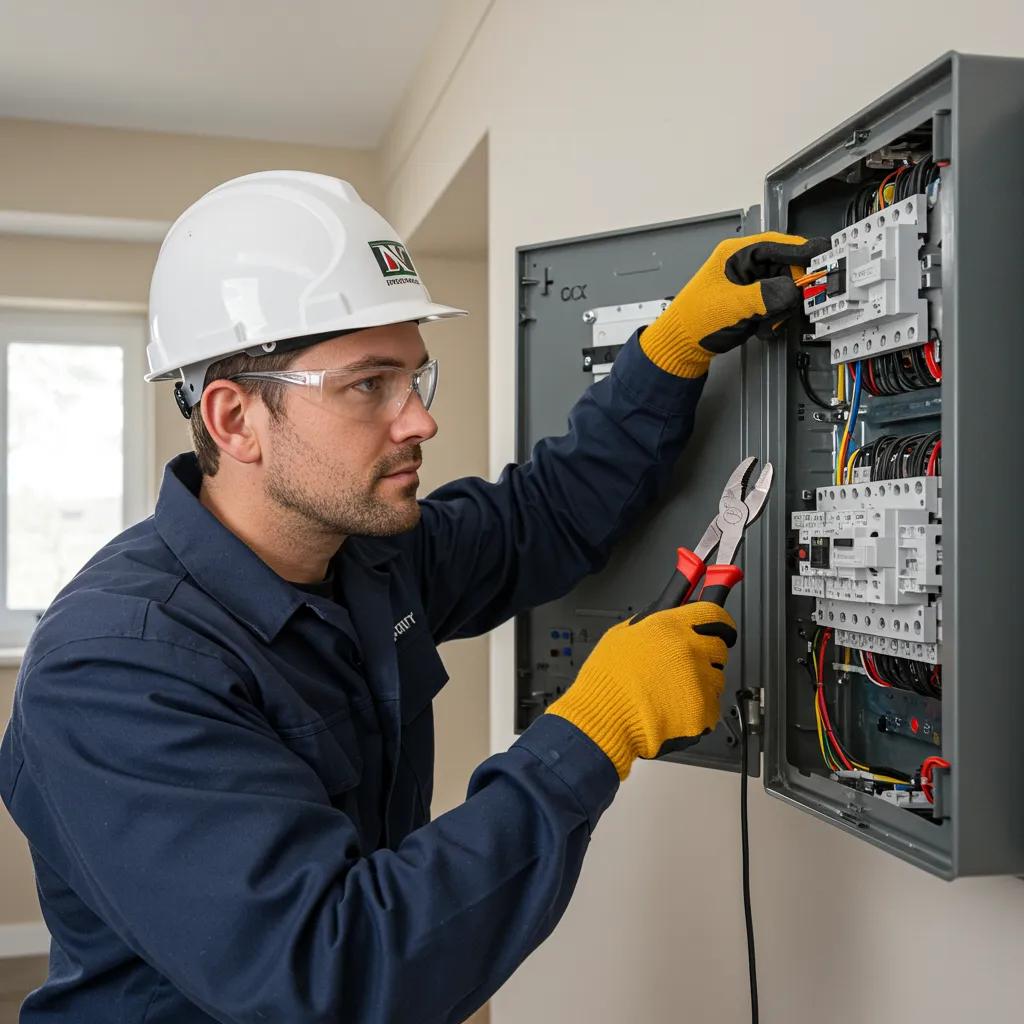
Common Electrical Questions Answered: Expert Solutions for Home and Business Electrical Issues
Many homeowners and business owners face recurring electrical questions that feel urgent but are often misunderstood, from flickering lights to tripping breakers and non-resetting GFCI outlets. This guide answers common electrical problems with clear definitions, root-cause explanations, safe DIY checks, and precise indicators for when to call a licensed electrician. You will learn practical troubleshooting steps, how protection devices like breakers, GFCIs, and AFCIs work, and what modern upgrades — including panel improvements and surge protection — actually accomplish for safety and capacity. The article maps problem → cause → safe action for each topic and points to local code considerations relevant to Delaware and Maryland service areas. Read on to find structured guidance, simple checklists, and decision points that help you preserve safety and make informed service choices.
Conductive Electrical Contracting serves homeowners and business owners in Kent and New Castle County, Delaware, and parts of Cecil County, Maryland as a lead generation and information hub for licensed, insured electrical services. The company emphasizes local code knowledge, competitive pricing, and a 100 percent satisfaction guarantee while assisting with permits and inspections. With that local expertise in mind, the following answers are focused on safety-first troubleshooting and clear thresholds for calling a professional.
Why Are My Lights Flickering? Causes and Solutions Explained
Flickering lights describe intermittent changes in brightness that can range from a single bulb fluttering to whole-house dimming; causes span benign issues to hazardous wiring faults. Flicker occurs when the light source or circuit sees momentary changes in voltage, loose connections, or failing components that affect current flow and bulb stability. Identifying the mechanism quickly helps prioritize safety: a loose bulb is fixable by the homeowner, while repeated whole-house flicker often signals a panel or neutral problem requiring a licensed electrician.
The next subsections list common causes, decision criteria for professional help, and preventive practices to reduce future incidents.
What Are the Most Common Causes of Flickering Lights?

Flickering often stems from a short list of frequent causes that differ in risk and repair complexity. Loose bulbs and poor lamp or fixture connections are the simplest causes; tightening or replacing the bulb or socket typically solves the issue. Voltage fluctuations from heavy loads on the same circuit (HVAC, refrigerators) produce momentary dimming that points to overloads rather than wiring faults. Loose neutrals, corroded connections at the fixture or in the panel, and failing switches or failing dimmers are more serious causes that can generate arcing and heat, which require a professional diagnosis. Identifying which of these causes applies guides safe next steps and prevents escalation to fire hazards.
When Should You Call an Electrician for Flickering Lights?
Knowing the red flags that demand a licensed electrician prevents dangerous delays and helps prioritize safety interventions. Call an electrician immediately if flickering is accompanied by a burning smell, visible sparks, scorch marks, frequent breaker trips, or if multiple circuits or the whole house are affected. If flicker persists after replacing bulbs and checking fixtures, or if you suspect loose neutrals or panel-related issues, shut off the affected circuit and request professional inspection. For intermittent flicker tied to major appliances, consult a professional to evaluate load balancing and possible panel or service upgrades rather than repeatedly resetting breakers.
How Can You Prevent Flickering Light Problems at Home or Business?
Preventive maintenance and selective upgrades reduce flicker frequency and improve long-term electrical reliability across properties. Regularly tighten bulbs and inspect fixtures, replace aging switches and dimmers with modern, compatible devices, and schedule periodic electrical inspections to identify loose connections before they become hazards. Consider installing surge protection and assessing whether your panel can reliably handle modern loads; in many cases, adding dedicated circuits for heavy appliances removes the common causes of circuit voltage dips. Proactive maintenance and targeted upgrades reduce the likelihood of dangerous arcing and costly emergency repairs in the future.
Why Does My Circuit Breaker Keep Tripping? Troubleshooting and Safety Tips
A circuit breaker trips when the current exceeds safe levels or when a ground/short fault is detected, protecting wiring and reducing fire risk by interrupting power. Breaker trips are symptomatic: they indicate overloads, short circuits, ground faults, or aging and failing breakers; diagnosing the exact mechanism differentiates a simple load redistribution from a hazardous wiring fault. Safe troubleshooting begins by documenting when and how trips occur, isolating appliances, and testing circuits, while avoiding DIY fixes for suspected short circuits or shared-neutral problems.
The following subsections explain common causes, how breakers function, and when upgrades or replacements are appropriate.
What Causes Circuit Breakers to Trip Frequently?
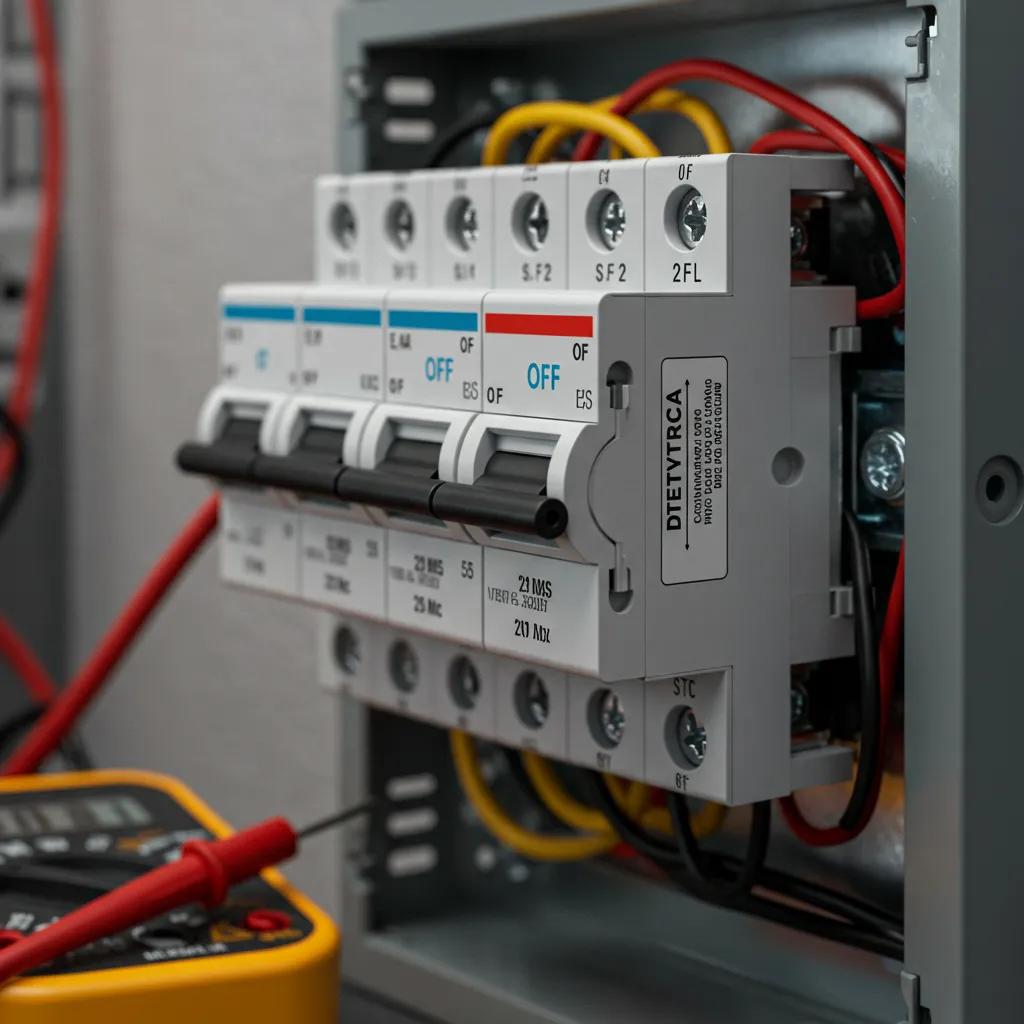
Frequent trips are usually caused by three core mechanisms: overloaded circuits where cumulative device draw exceeds breaker rating, short circuits where hot conductors touch neutral or ground, and ground faults that leak current to earth. Overloads commonly occur when multiple high-draw appliances (ovens, HVAC units, washers) share the same circuit or when additions like EV chargers are added without dedicated lines. Short circuits and ground faults are more hazardous and often produce sparks, burning smells, or visible damage; these require immediate professional attention. Intermittent trips that started after appliance installation or remodeling suggest a circuit reconfiguration or shared-neutral issue that a licensed electrician should evaluate.
- Typical overload example: running space heater, microwave, and toaster on the same kitchen circuit.
- Short circuit example: damaged insulation in a cord contacting the neutral or ground.
- Ground fault example: water intrusion into outdoor outlets causing leakage to earth.
A methodical check of appliances and circuit usage helps isolate overloads before concluding the breaker itself has failed.
How Do Circuit Breakers Protect Your Electrical System?
Circuit breakers detect excessive current or specific fault conditions and open the circuit to stop damaging current flow, preventing overheating and potential fires. Thermal-magnetic breakers use both heat-sensitive and magnetic trip mechanisms to react to prolonged overloads and sudden short-circuit surges, respectively, providing layered protection for wiring and connected devices. Breakers are rated to coordinate with conductor ampacity and panel characteristics; mismatches or worn components reduce protective effectiveness and increase risk. Understanding this protective mechanism clarifies why repeated trips should be treated as a symptom of wiring stress, not an annoyance to ignore.
When Is a Circuit Breaker or Panel Upgrade Necessary?
Indicators for upgrade include chronic tripping despite load redistribution, frequent use of high-demand appliances, an older panel that lacks modern AFCI/GFCI protections, or evidence of overheating and corrosion at the panel. When remodeling kitchens, adding EV chargers, or installing backup generators, a capacity increase or dedicated circuits can prevent nuisance trips and meet code requirements. If you notice burning smells, scorch marks, or a panel with obsolete components (e.g., lack of AFCIs where required), arrange a professional evaluation and estimate to plan a code-compliant upgrade. Conductive Electrical Contracting can provide local code-compliant assessments and estimates for panel and breaker upgrades tailored to property needs.
Before-and-after panel improvements often eliminate nuisance trips and create room for safe load growth.
What Is a GFCI Outlet and Why Is It Not Resetting?
A Ground-Fault Circuit Interrupter (GFCI) monitors current balance between hot and neutral and opens the circuit within milliseconds when it detects imbalance, preventing shock. GFCIs protect areas where water and electricity may meet — kitchens, bathrooms, garages, outdoor receptacles, and pools — and will not reset if the downstream circuit still has a fault or if the device itself is damaged. Troubleshooting focuses on safe isolation of downstream loads, visual inspection for moisture, and testing other GFCIs on the same circuit; persistent failure implies wiring faults or a defective module requiring a licensed electrician.
The next subsections explain operation, common failure modes, and replacement criteria.
How Does a GFCI Outlet Work to Prevent Electrical Shock?
A GFCI continuously compares current on the hot and neutral conductors and trips when a mismatch greater than a few milliamps occurs, interrupting power in under a fraction of a second to stop potentially lethal leakage paths. This imbalance often results from current finding an unintended path to ground — for example, through a person, through water, or through damaged insulation — and the GFCI’s rapid response reduces electrocution risk. GFCIs are required by code in wet or damp locations and are commonly installed as receptacles or as breakers at the panel, with downstream protection provided by a single upstream device. Understanding this mechanism helps homeowners recognize why wiring faults or wet conditions prevent an outlet from resetting.
Understanding GFCI Receptacles: Protection and Ratings
GFCI Receptacle: An electrical outlet for powering plug-connected equipment. A GFCI receptacle has current and short-circuit current ratings. The GFCI is a device that is designed to protect people from electrical shock. It does this by detecting ground faults and interrupting the flow of electricity. GFCI protection is required by the National Electrical Code (NEC) in many locations in a home, such as kitchens, bathrooms, and outdoors.
Ground-Fault Circuit-Interrupters
What Are Common Reasons a GFCI Outlet Won’t Reset?
A GFCI may refuse to reset due to an actual ground fault on a downstream device, moisture in the outlet or connected equipment, damaged wiring or loose neutral/hot connections, or because the GFCI module itself has failed. Simple checks include unplugging all downstream devices and attempting a reset, drying the outlet area if wet, and testing other GFCIs on the same run; if the device still will not reset, do not force it. Persistent non-resetting or repeated trips after resetting indicate wiring issues that require a licensed electrician to inspect and repair. Replacing a GFCI without diagnosing an upstream or downstream fault can mask a hazard, so professional investigation is often the correct next step.
Quick troubleshooting steps you can do safely:
- Unplug downstream devices and try to reset.
- Inspect for moisture or corrosion and dry the area before retrying.
- Check other GFCIs on the same circuit to isolate the fault.
If these actions fail, schedule a professional inspection.
When Should You Replace or Repair a GFCI Outlet?
Replace a GFCI outlet when it shows physical damage, fails to reset after isolating downstream loads, trips repeatedly despite repairs, or is aged and no longer reliably protective. A non-resetting GFCI that resumes operation only intermittently suggests internal module degradation or concealed wiring faults; both scenarios warrant replacement and circuit testing by a licensed electrician. If the issue is wiring-related, such as a loose neutral or water intrusion in conduit, safe repair requires a professional who will correct the root cause and confirm protection. For property owners in Delaware and Maryland, licensed electricians can also ensure replacements meet local code and inspection requirements.
What Is a Short Circuit? Causes, Risks, and How to Respond
A short circuit occurs when a hot conductor contacts neutral or ground, creating a low-resistance path that allows a surge of current capable of generating heat, sparks, and fire in milliseconds. Shorts are dangerous because they overwhelm conductors and devices, producing arcing and thermal damage before protective devices always react, and they often produce audible or visible signs (pop, spark, smoke) that require immediate response. Recognizing the mechanics and common scenarios for shorts — damaged insulation, rodent chewing, water ingress, or appliance failures — helps property owners take immediate, life-preserving steps.
The following subsections describe occurrence mechanisms, signs, and safe immediate actions.
How Does a Short Circuit Occur in Residential and Commercial Wiring?
Shorts form when insulation is breached or conductors are misconnected so that hot and neutral/ground touch directly, often during rodent damage, accidental nail penetration during renovations, or failing appliance cords. In residential systems, shorts commonly happen in junction boxes, behind outlets, or in damaged extension cords; in commercial or industrial settings, heavy machinery and multi-phase systems increase risk complexity and energy available during a fault. Identifying the likely location from symptoms accelerates a targeted shutdown and professional diagnosis.
What Are the Signs and Hazards of a Short Circuit?
Short circuits often present with immediate, alarming signs such as loud bangs, visible sparks, sudden loss of power, burning odors, scorch marks near outlets or panels, or tripped breakers that will not reset. These signs point to active arcing or thermal damage that can progress to fire very quickly; any burning smell or visible damage should prompt evacuation and professional intervention. Short-related damage may not always be obvious; repeated unexplained breaker trips, melted insulation, or localized charring indicate past shorting and the need for inspection. Given the fire and electrocution potential, treat short-circuit indicators as emergency-level issues.
What Immediate Actions Should You Take if You Suspect a Short Circuit?
If you suspect a short circuit, isolate the problem by turning off the affected circuit at the breaker panel and unplugging devices if it can be done safely, avoiding contact with damaged equipment or wiring. If there is smoke, flame, or a persistent burning smell, evacuate the area and call emergency services immediately; do not attempt to fight electrical fires with water. If the situation appears contained (no fire or smoke), keep the circuit off and contact a licensed electrician to locate and repair the fault, and provide the technician with exact symptoms and which devices were in use. Documenting the sequence of events and symptoms expedites diagnosis and reduces the risk of missed hidden damage.
How Much Does an Electrical Panel Upgrade Cost and When Is It Needed?
An electrical panel upgrade expands capacity, replaces worn or obsolete components, and brings systems into modern code compliance; typical cost drivers include panel amperage, labor complexity, required permits, and any needed service equipment changes. Upgrades can range widely depending on whether the work involves a simple panel swap, service conductor changes, meter upgrades, grounding improvements, or relocation, and local inspection and permit fees affect final pricing. Understanding these drivers and expected ranges helps property owners budget and prioritize safety and capacity improvements. Below we outline cost factors with a comparative table, explain practical benefits, and summarize local code/permit expectations for Delaware and Maryland.
What Factors Influence the Cost of an Electrical Panel Upgrade?
Major cost factors include the target amperage (100A vs 200A), whether meter or service drop changes are required, accessibility and need for trenching or mast work, grounding and bonding upgrades, and permit/inspection fees set by local authorities. Labor complexity increases when panels are in tight crawl spaces, behind finished walls, or when meter relocation is necessary; additional costs appear if aluminum-to-copper conversions, grounding rod installations, or coordination with the utility are needed. Material quality, brand of breakers, and inclusion of surge protection or AFCI/GFCI breakers also influence price. A clear on-site assessment by a licensed electrician yields the most accurate estimate given these interacting variables.
How Does an Electrical Panel Upgrade Improve Home or Business Electrical Capacity?
Upgrading a panel increases available amperage and circuit space, enabling dedicated circuits for EV chargers, modern HVAC systems, ovens, and other high-demand equipment while reducing nuisance tripping and voltage sag under load. Beyond capacity, a modern panel improves safety through AFCI/GFCI compatibility, better bus and breaker designs, and improved grounding—reducing risks of arcing and shock. Practical improvements are seen in stable voltage for sensitive electronics, fewer shared-neutral problems, and the ability to expand electrical infrastructure during renovations. For property owners planning major appliance additions or renovations, an upgrade is often the most cost-effective path to long-term electrical reliability and safety.
What Are Local Code Requirements for Electrical Panel Upgrades in Delaware and Maryland?
Panel upgrades must comply with the National Electrical Code (NEC) as adopted locally, which typically requires permits, inspections, proper labeling, grounding/bonding, and adherence to AFCI/GFCI placement rules; county and municipal authorities in Delaware and Maryland may have specific subcode requirements. Permits and inspections are essential to verify safe workmanship and to satisfy insurance and resale obligations, and licensed electricians can navigate local submission processes efficiently. Always consult a licensed contractor familiar with Kent and New Castle County, Delaware, and Cecil County, Maryland practices to confirm precise requirements and to ensure inspections are properly scheduled and passed.
Conductive Electrical Contracting offers local estimates and handles permit coordination and code-compliant panel upgrades for properties in the service area; request a quote to evaluate your property’s upgrade needs.
What Are Common Electrical Safety Questions Every Homeowner and Business Owner Should Know?
Electrical safety hinges on both protective devices (AFCI, GFCI, surge protectors) and correct procedures for repairs and inspections; understanding roles and limits of each device reduces risk and prevents improper DIY attempts. AFCIs detect arcing faults that can start fires, GFCIs prevent shock in wet locations, and surge protectors shield electronics from transient overvoltage; each plays a distinct role in a layered safety strategy. Knowing when to defer work to a licensed electrician and how to confirm compliance with local codes is equally important. The subsections below explain device roles, DIY dangers, and the permit/inspection process.
How Do AFCI Breakers and Surge Protectors Enhance Electrical Safety?
AFCI breakers monitor waveform patterns for arcing and trip before arcing can initiate fires, providing protection that ordinary breakers cannot offer because they respond to heat or instantaneous overcurrent rather than intermittent arcing patterns. Surge protectors absorb or divert transient voltage spikes from lightning strikes or utility switching that would otherwise damage sensitive electronics, preserving equipment and extending lifespan. Combining AFCI protection in bedroom and living-area circuits with point-of-use or whole-home surge suppression creates a robust safety layer for both people and devices. Installing these devices per code and in correct locations is a task for licensed electricians who can select and configure the right protection for each property.
What Are the Dangers of DIY Electrical Repairs?
DIY electrical repairs risk improper connections, undersized conductors, missed grounding, failed inspections, voided insurance, and increased shock or fire hazards if work is done incorrectly or without permit oversight. Common DIY mistakes include loose neutral reconnections, incorrect breaker sizing, and failure to de-energize circuits properly, all of which increase emergency risk and may require full rework by professionals. Simple tasks like changing bulbs or swapping a switch cover are generally safe with basic precautions, but panel work, rewiring, and any changes that require permits should be handled by licensed electricians. When in doubt, prioritizing safety and hiring a professional prevents long-term liability and ensures code compliance.
How Can You Ensure Compliance with Local Electrical Codes and Inspections?
Ensuring compliance starts with hiring licensed, insured electricians familiar with local jurisdictions, submitting required permit applications, and scheduling official inspections to verify code adherence and safe operation. Licensed contractors will size equipment correctly, install required AFCI/GFCI protection, and document completed work to satisfy inspection reports and insurance requirements. Maintaining records of permits and inspections simplifies future sales or renovations, and professional contractors often manage the paperwork and scheduling on the owner’s behalf. Choosing a contractor experienced with Kent and New Castle County, Delaware, and Cecil County, Maryland codes reduces delays and prevents costly rework.
What Are Typical Outlet and Switch Problems and How Can They Be Fixed?
Outlets and switches can fail for a range of reasons — from simple tripped circuits and worn devices to loose connections and hazardous wiring faults — and understanding the cause directs safe action. Many problems are detectable through basic checks that homeowners can perform safely, while others require a professional to replace devices, repair wiring, or upgrade to safer tamper-resistant or GFCI/AFCI-protected outlets. The subsections below outline common causes of dead or sparking outlets, the hazards of loose devices, and criteria for repair versus replacement.
Why Are Some Outlets Dead or Sparking?
Dead outlets typically result from tripped breakers, tripped upstream GFCIs, damaged device contacts, or broken wiring connections, while sparking indicates arcing from loose connections, damaged conductors, or overloaded circuits. Homeowners can safely check the breaker panel and upstream GFCIs and unplug devices before testing, but do not insert objects into sparking outlets or attempt internal repairs if arcing is present. Sparking requires immediate disconnection of power to the outlet and professional inspection since arcing generates heat that can ignite surrounding materials. Documenting when the problem began and what devices were connected helps the electrician diagnose and resolve the underlying cause.
Quick homeowner checks for dead/sparking outlets:
- Check the breaker panel for tripped breakers and reset only after confirming no fire signs.
- Test upstream GFCI outlets that may control multiple downstream receptacles.
- Unplug all devices and inspect for damaged cords or plugs before any reset attempts.
Summary: if basic resets don’t restore safe operation, call a professional.
How Do Loose Outlets and Switches Affect Electrical Safety?
Loose receptacles and switches create movement that stresses internal connections, leading to arcing, heat buildup, and eventual failure or fire if left unaddressed. While temporarily tightening mounting screws may stop cosmetic movement, the root cause is often failed or loose wire terminations that require proper re-termination and possibly replacement of the device. Loose devices also increase the risk of shock when inserting or removing plugs, particularly in damp environments or when combined with degraded insulation. For safe and lasting repair, a licensed electrician should correct wiring terminations and, when appropriate, replace the outlet or switch with a modern tamper-resistant or GFCI-protected device.
When Should You Replace or Repair Outlets and Switches?
Replace outlets and switches when devices show physical damage, discoloration, sparking, persistent loose fit, or when upgrading for safety with GFCI, AFCI, or tamper-resistant options; repair is appropriate for isolated, accessible wiring issues corrected by a licensed professional. Upgrades are recommended when outlets serve kitchens, bathrooms, garages, pools, or other wet areas, as code requires specific protections in these locations. If an outlet repeatedly fails after replacement, the problem likely lies in upstream wiring or the circuit and requires a full diagnostic. For installations and safety-compliant upgrades, hire a licensed, insured electrician who can ensure proper device selection and correct code-compliant wiring.
Conductive Electrical Contracting can assist with outlet and switch repairs, tamper-resistant and GFCI installations, and guaranteed workmanship in the Wilmington, DE area; call to schedule an estimate or service.