An electrical fire safety checklist outlines the must-do inspections and upgrades homeowners in Smyrna DE need to prevent wiring failures and overloads. Ignoring these checks contributes to over 3,500 residential fires in Kent and New Castle counties each year, with average repair bills topping $40,000. Next, we’ll cover room-by-room hazard spotting, a component upgrade list and Delaware-specific maintenance tips.
Key takeaways
- Regularly check electrical cords for damage and replace frayed ones promptly.
- Never overload outlets or extension cords with too many appliances.
- Install GFCI outlets in kitchens, bathrooms, and outdoor areas for enhanced safety.
- Ensure smoke detectors are functional, test them monthly, and replace batteries annually.
- Schedule professional electrical inspections to prevent hidden hazards and ensure home safety.
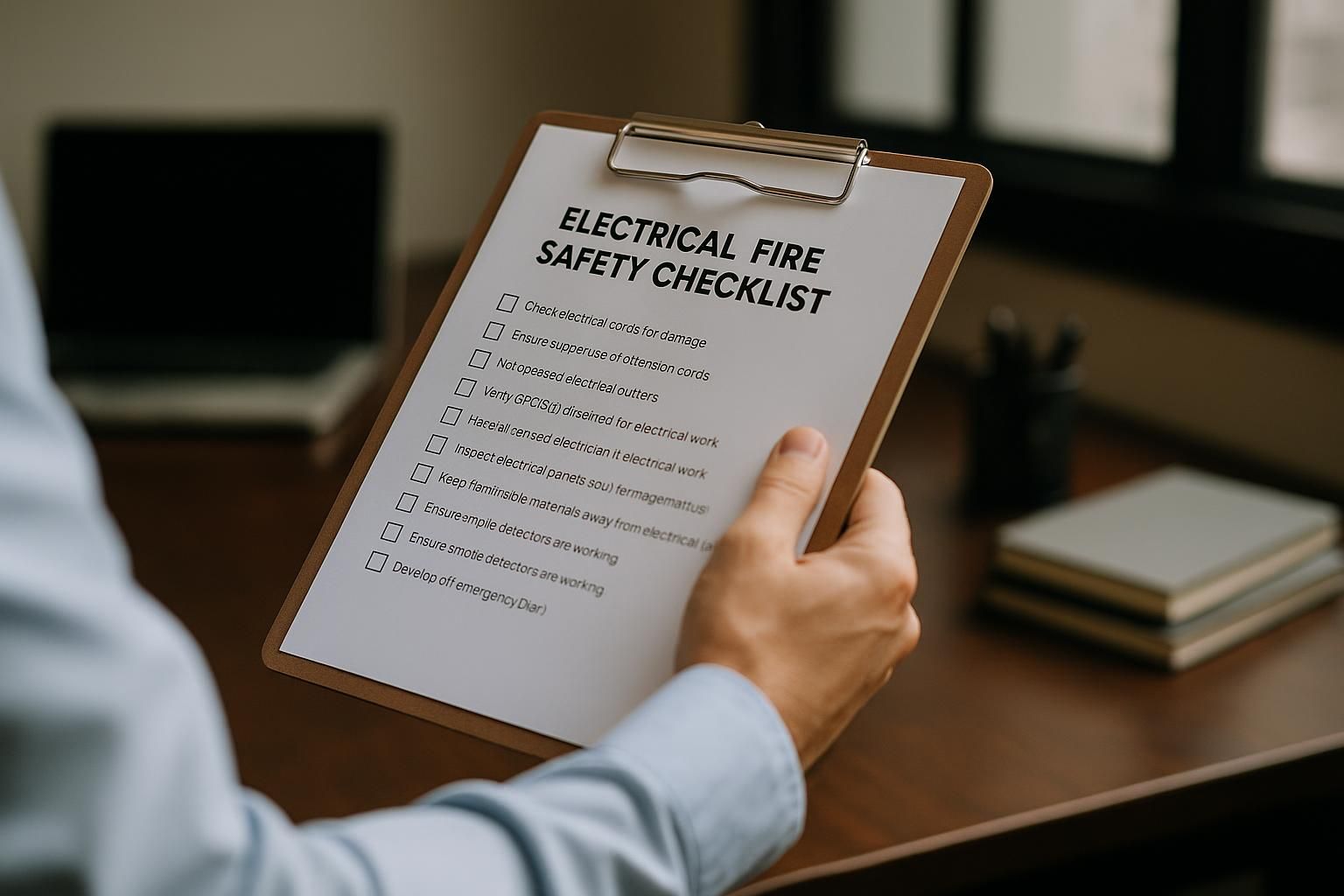
Electrical Fire Safety Checklist: Essential Steps for Your Smyrna, DE Home
Protecting your Smyrna, DE, home from electrical fires is crucial. This electrical safety checklist safeguards your family and property. Are you ready to prevent a disaster?
Your Home Electrical Safety Checklist:
- Inspect Cords and Plugs Regularly: Check appliance cords for fraying or exposed wires. Ensure plugs fit snugly. Damaged cords are fire risks; replace faulty items immediately.
- Avoid Overloading Outlets and Circuits: Never overload outlets or power strips. Overloading causes tripped circuit breakers, overheating, and fires. Consider dedicated circuits for high-power appliances.
- Proper Use of Extension Cords: Use extension cords temporarily, not permanently. Never run them under rugs or through doorways. Match the cord’s wattage rating to the appliance.
- Install and Test GFCI and AFCI Outlets: For a better understanding of how they function, learn what a GFCI outlet is. GFCIs prevent shock in wet areas. AFCIs protect against arc fault fires. Ensure these are installed correctly in your Delaware home and test them monthly.
- Schedule Professional Electrical Inspections: Hidden electrical issues are dangerous. Regular electrical home safety inspections by a licensed electrician uncover faulty wiring, outdated panels, or overloaded circuits. For a check-up, contact Conductive Electrical Contracting.
Identify Common Electrical Fire Hazards
Understanding common electrical fire hazards is your first crucial step in safeguarding your home and family. Many lurk in plain sight or behind walls, making a regular check-up an essential part of any electrical fire safety checklist.
Overloaded Outlets and Extension Cords
We’ve all done it: stacking adapters or daisy-chaining extension cords. This common practice is a leading cause of electrical fires. An overloaded outlet draws excessive current, causing wires to overheat. Imagine forcing too much water through a narrow straw. If you constantly need more outlets, especially in older homes around Smyrna or Kent County, consider professional electrical upgrades.

Faulty or Outdated Wiring
Electrical wiring isn’t meant to last forever. Over time, insulation degrades, wires fray, and connections loosen. This is particularly true for older electrical systems, including aluminum wiring from decades past. Such systems, common in many Delaware communities, pose a significant fire risk due to corrosion and overheating at connection points. Signs like flickering lights, strange burning smells, or frequently tripping breakers are serious red flags.
Damaged Cords and Appliances
Always inspect appliance and electronic power cords. Are they frayed, cracked, or pinched? Do any cords feel unusually warm? Damaged cords expose live wires, creating a path for short circuits and potential ignition. Appliances that spark, smoke, or smell like burning plastic should be immediately unplugged and repaired or replaced. Never try to “fix” a damaged cord with electrical tape; it’s a temporary patch on a ticking time bomb.
DIY Electrical Mishaps
While DIY home projects are admirable, electrical work demands expertise. Improper wiring, incorrect fuse installations, or using the wrong gauge wire can lead to catastrophic failures and fires. Your home’s electrical system, from service panel to outlets, demands a professional touch. For any concerns about existing wiring or potential upgrades, especially if you suspect amateur work, it is always wise to contact Conductive Electrical Contracting. Our licensed electricians in the Wilmington area and across New Castle County are ready to ensure your home’s electrical safety.
Room-by-Room Safety Tips for Delaware Homes
Each room in your home presents unique electrical demands and potential hazards. Addressing these risks room-by-room helps prevent electrical fires across Delaware.
The Kitchen: Culinary Meets Current
Your kitchen, a hub for high-wattage appliances, is a high-risk area.
- Dedicated Lines: Major appliances need dedicated circuits to prevent overloads. Avoid sharing outlets with many high-power devices.
- GFCI Outlets: Outlets near water (e.g., sink) must be GFCI-protected. These cut power during ground faults, reducing shock risks.
- Cord Condition: Inspect cords for fraying. Never run them under rugs or heavy appliances.
Living Spaces & Bedrooms: Comfort and Caution
These comfortable spaces still require electrical vigilance.
- Extension Cords: Use temporarily, rated for load. Never daisy-chain.
- Space Heater Safety: Plug heaters directly into wall outlets, keep them from flammables, and never leave unattended or use extension cords. Learn more about portable electric heater safety.
- Outlet Overload: Avoid overloading outlets. Frequent power strip use often signals a need for more outlets, common in older New Castle County homes.
- Child Safety: Cover unused outlets accessible to children.
Bathrooms & Laundry: Water, Heat, and Wiring
Utility rooms blend high power and moisture; careful electrical practices are essential.
- GFCI Protection: All bathroom outlets require GFCI protection. Water and electricity are a dangerous mix.
- Appliance Placement: Keep electrical appliances (hair dryers, etc.) away from sinks, bathtubs, and showers.
- Dedicated Laundry Circuits: Washers and dryers need dedicated circuits to prevent overloads.
Basements, Garages & Outdoors: Beyond the Main Living Area
Remember electrical safety in basements, garages, and outdoors.
- Clear Pathways: Keep your electrical panel clear. Obstructions, common in Kent County, hinder emergency access.
- Outdoor Wiring: Outdoor lighting, pool pumps, and hot tubs require properly installed, outdoor-rated wiring. We specialize in pool wiring and bonding for safety.
- Workshop Wisdom: Protect power tool cords from damage in garages or workshops.
Regular room-by-room electrical inspection is vital for safety. If your Delaware home’s electrical health concerns you, a professional inspection offers peace of mind. Contact Conductive Electrical Contracting for expert guidance.
Upgrade & Maintenance Checklist
Think of your home’s electrical system like its circulatory system. If arteries are clogged or outdated, serious problems can arise, right? The same goes for your wiring, outlets, and service panel. Outdated electrical systems are a significant contributor to home electrical fires. An upgrade isn’t just about convenience; it is a critical step in bolstering your family’s safety.
Modernizing Your Electrical System
Many homes throughout Smyrna, Wilmington, and across New Castle County and Kent County, DE, boast incredible character and history. However, that charm often comes with electrical systems that weren’t designed for today’s power demands. Here are key upgrades to consider:
- Service Panel Upgrades: If your home still relies on a fuse box or an older circuit breaker panel, it might be struggling to handle modern appliances and electronics. These older panels can overheat, leading to fire hazards. A modern service panel ensures proper power distribution and includes safety features like individual circuit breakers that trip when overloaded.
- Addressing Aluminum Wiring: Homes built between the mid-1960s and mid-1970s often contain aluminum wiring. While not inherently dangerous, aluminum wiring replacement or having proper aluminum-to-copper pigtailing performed by a qualified electrician is a crucial safety measure.
- Dedicated Circuits for Major Appliances: Large appliances like refrigerators, washing machines, or HVAC units require significant power. Sharing circuits can lead to overloads, tripped breakers, and even fire. Installing dedicated lines for these major appliances ensures they operate safely and efficiently without stressing your home’s electrical system.
- Surge Protection and GFCI/AFCI Outlets: Whole-home surge protectors safeguard your electronics from power spikes, which can prevent damage and fire. Ground-Fault Circuit Interrupter (GFCI) outlets protect against electric shock, especially in wet areas like kitchens and bathrooms. Arc-Fault Circuit Interrupter (AFCI) outlets detect dangerous electrical arcs that can ignite fires.
Regular Electrical Maintenance
Even with a modern system, ongoing care is vital. Just like you wouldn’t skip car maintenance, your home’s electrical system needs attention too.
- Annual Professional Inspections: A yearly electrical inspection can catch potential problems before they escalate. An experienced electrician can identify loose connections, frayed wires, overloaded circuits, and other hidden hazards that might otherwise go unnoticed.
- Check Outlets and Switches: Routinely inspect outlets and light switches. Are they warm to the touch? Do they show scorch marks? Do plugs feel loose when inserted? These are all signs of potential issues that require immediate professional attention.
- Smoke and Carbon Monoxide Detectors: These devices are your first line of defense in an emergency. Test them monthly and replace batteries annually. Replace the units themselves every 10 years for smoke detectors and every 5-7 years for carbon monoxide detectors, as their sensors degrade over time.
Prioritizing these upgrades and maintenance tasks creates a safer home environment for you and your loved ones. If you’re unsure about the state of your electrical system, contact Conductive Electrical Contracting for an expert assessment.
DIY Checks vs. When to Call a Pro
Maintaining a safe home often involves a mix of proactive DIY efforts and knowing when to call in the experts. When it comes to electrical safety, this distinction is especially critical. While some basic checks are perfectly safe for homeowners, delving into complex electrical systems can pose serious risks.
| Aspect | What You Can Safely DIY | When to Call a Professional |
|---|---|---|
| Tasks | Visual inspection of cords, checking outlets for warmth, testing GFCI outlets monthly. | Investigating flickering lights, burning smells, frequent breaker trips, new wiring needs, or panel upgrades. |
| Tools Needed | Your eyes, ears, and common sense. | Specialized diagnostic equipment, voltage testers, safety gear. |
| Risk Level | Low, when limited to non-invasive observations. | High, involves live wiring, complex troubleshooting, and potential hazards. |
| Expertise | Basic home safety awareness. | Licensed, insured electricians with extensive training and experience. |
For homeowners across Smyrna, Wilmington, and the wider New Castle County area, understanding this balance is key to preventing electrical hazards. Simple tasks like unplugging frayed cords or ensuring outlets aren’t overloaded are smart moves. You can easily test your ground-fault circuit interrupter (GFCI) outlets by pushing the “test” button, watching for the “reset” button to pop out, and then resetting it.
However, what if you notice a persistent burning smell, or a circuit breaker trips constantly? These aren’t DIY fixes. These are clear signals that something is amiss within your electrical system. Attempting to diagnose or repair issues like faulty wiring, an overloaded service panel, or a malfunctioning surge protection system without proper training can lead to further damage, serious injury, or even an electrical fire.
Professional electricians, like the team at Conductive Electrical Contracting, have the expertise and equipment to safely assess and resolve these complex problems. We’re well-versed in the specific electrical codes for Delaware, ensuring your home’s system is not only functional but also compliant and safe. If you’re unsure about any electrical issue, it’s always best to contact Conductive Electrical Contracting for a professional assessment.
Frequently Asked Questions
How often should I check my home’s electrical system for safety?
You should perform a basic visual inspection of outlets, cords, and switches regularly, perhaps monthly. For a comprehensive professional assessment, especially if your home is older or you notice issues, contact Conductive Electrical Contracting for an annual check-up in areas like Smyrna or Wilmington.
What are common warning signs of a potential electrical fire hazard?
Look for flickering lights, outlets that are warm to the touch, unusual burning smells, or circuit breakers that trip frequently. These are all indicators that your electrical system needs attention from a professional.
Can surge protectors truly prevent electrical fires?
While surge protectors guard against power spikes damaging electronics, their primary role is not fire prevention from overloaded circuits. Overloading an outlet with too many devices can still lead to overheating and fire, regardless of a surge protector.
When should I consider hiring a professional electrician for an electrical safety inspection in Delaware?
You should consider a professional electrical safety inspection if you live in an older home, are buying or selling a property, or if you’ve recently completed a major renovation. A licensed electrician in New Castle or Kent County can identify hidden risks like outdated wiring or overloaded circuits.
What immediate steps should I take if I smell burning plastic near an electrical outlet or appliance?
Immediately unplug the device if it’s safe to do so, or shut off power to that circuit at your service panel . Do not attempt to use the outlet or appliance again, and promptly schedule a service call with a qualified electrician.
Conclusion
Leverage over 20 years of local expertise from Conductive Electrical Contracting to deliver a checklist tailored to Delaware’s homes and regulations.
About the Author
Jeff King – Jeff King is the owner and lead electrician at Conductive Electrical Contracting, a family-owned Delaware electrical contractor based in Smyrna with over 20 years of experience serving New Castle, Kent, and Cecil counties.