An electrical panel board safety inspection checklist provides homeowners with clear, code-compliant steps to spot overloads, faulty breakers, and wiring issues. In Smyrna and Wilmington homes, unchecked panel defects cause 30% more breaker trips, leading to $4,500 average repair bills and potential fire hazards. Drawing on Conductive Electrical Contracting’s 20 years in Delaware, we cover step-by-step checks, warning signs, and when to call in the pros.
Key takeaways
- Always turn off main power before opening your electrical panel for safety.
- Look for scorch marks, discoloration, or any burning smells indicating issues.
- Check for loose wiring, exposed conductors, or signs of moisture and rust inside.
- Ensure all circuit breakers are clearly labeled and easily accessible.
- Listen for unusual buzzing, humming, or popping sounds from the panel.
- Verify proper clearance around the panel as per safety regulations.
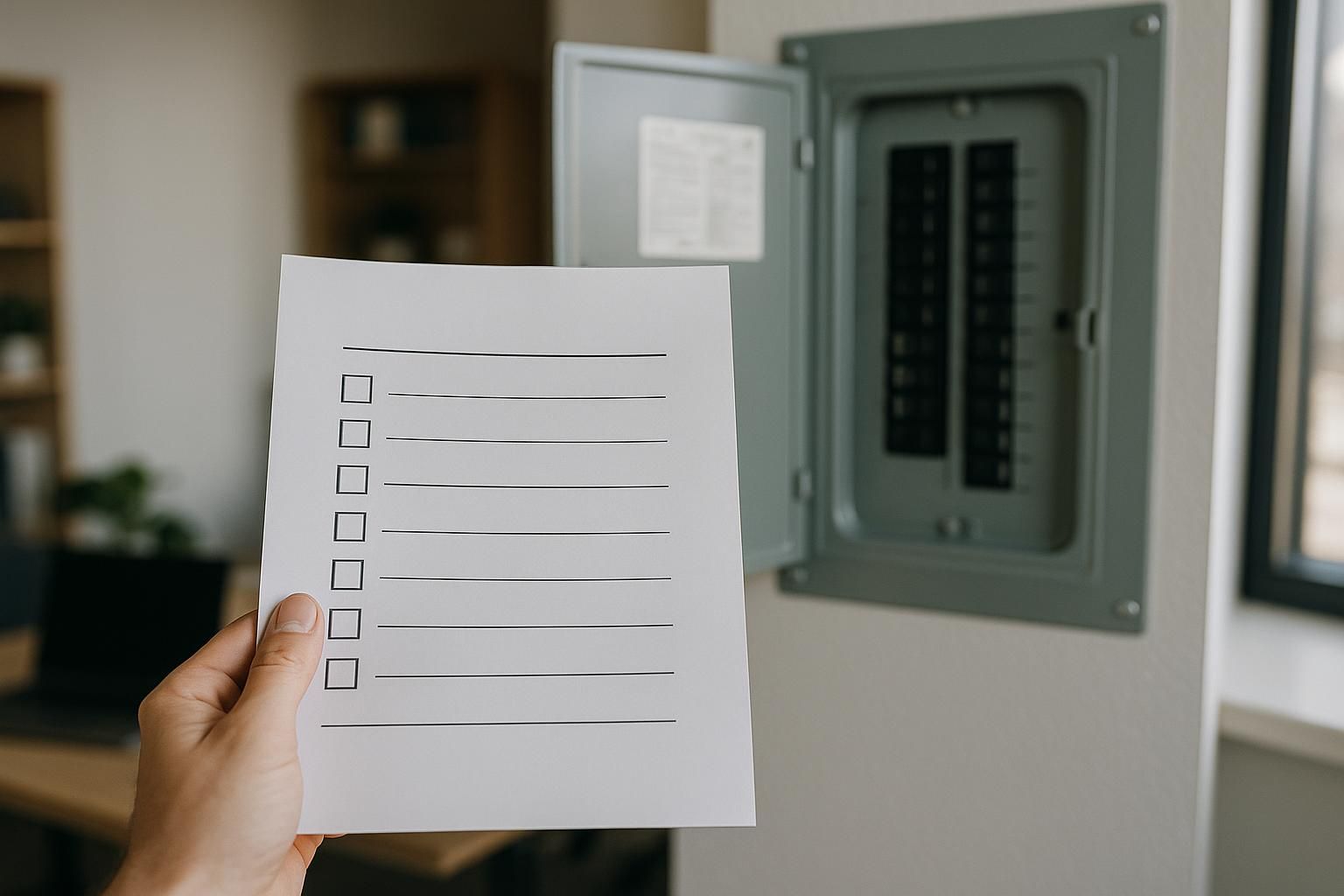
Electrical Panel Board Safety Inspection Checklist: Step-by-Step Guide
Think of your electrical panel board as the command center for all electricity flowing through your home or business. A quick safety inspection can help prevent potential hazards like electrical fires or power outages, protecting your property and loved ones. Understanding electrical panel services is crucial for maintaining a safe system. While it is always best to leave complex electrical work to the professionals, there are several visual checks you can safely perform yourself.
However, remember, safety always comes first. Electricity is powerful and unforgiving. If you’re ever in doubt, or if anything seems amiss during your check, do not hesitate to contact Conductive Electrical Contracting for expert help. We proudly serve homeowners and businesses across Smyrna, Wilmington, and the wider New Castle County, DE area. Here’s your step-by-step guide:
Step 1: Prioritize Safety Before You Begin
- Gather Your Tools: You will need a flashlight, a non-contact voltage tester, and possibly a screwdriver (for the panel cover).
- Wear Protective Gear: Always wear dry, non-conductive shoes with rubber soles and avoid wearing any metal jewelry.
- Locate Your Main Breaker: Familiarize yourself with how to turn off the main power to your entire property. You will need to do this before opening the panel.
- Clear the Area: Ensure the space around your electrical panel is clear of obstructions, allowing safe access and ventilation.
Step 2: Perform an Exterior Visual Inspection
You can do these initial checks without touching or opening the panel door.
- Look for Obvious Damage: Is the panel cover rusted, dented, or missing any screws? Rust, especially in humid areas like parts of Kent County, DE, can indicate moisture intrusion, which is a serious issue.
- Check for Warning Signs: Are there any scorch marks or discoloration on the outside of the panel or surrounding wall? These could signal overheating.
- Listen and Smell: Do you hear any buzzing, humming, or crackling sounds coming from the panel? Do you detect any burning odors, which often resemble melting plastic? Both are urgent red flags.
- Verify Proper Labeling: Are the breakers clearly labeled, indicating what each one controls? Proper labeling is not just convenient, it is a crucial safety measure for quick shutdowns during an emergency.
Step 3: Conduct an Interior Visual Inspection (Power OFF!)
IMPORTANT: Only proceed with this step if you are comfortable and have turned off the main power supply to your entire home or business. Use your non-contact voltage tester to confirm no power is present before touching anything inside.
- Examine Wiring: Look for any wires that appear burnt, frayed, or have discolored insulation. Also, check for any loose connections where wires meet breakers. Recognizing common electrical wiring problems can help you identify potential hazards.
- Inspect Breakers: Are all breakers properly seated? Do any appear scorched, melted, or show signs of arcing? Ensure the amperage ratings on your breakers match the circuits they protect. Understanding why circuit breakers trip can also be helpful for troubleshooting. Be particularly wary of “double tapped” breakers, where two wires are connected to a single breaker terminal, which is a fire hazard.
- Check for Rust and Moisture: Even with the panel closed, moisture can sometimes seep in, especially during heavy Delaware rainstorms. Look for any signs of water damage, rust, or corrosion on the internal components.
- Identify Aluminum Wiring: If your home was built between the mid-1960s and early 1970s, you might have aluminum branch circuit wiring. This type of wiring can pose fire hazards due to its tendency to expand and contract, leading to loose connections. Conductive Electrical Contracting specializes in aluminum wiring replacement, offering safe and lasting solutions.
- Look for Rodent Activity: Unfortunately, pests sometimes find their way into electrical panels. Check for signs of nesting, droppings, or chewed wires, which can compromise insulation and create dangerous shorts.
Step 4: What to Do If You Find an Issue
If you discover any problems during your inspection, especially those involving burning smells, scorching, buzzing, or water damage, do not attempt a DIY fix. These issues require immediate professional attention. For any concerns with your electrical panel in the Wilmington or Smyrna areas, calling a licensed and insured electrician like Conductive Electrical Contracting is your safest course of action.
Why a Safety Inspection is Crucial for Delaware Homes
Your home’s electrical panel board acts as its central nervous system, distributing power safely to every corner. Just like any vital system, it requires regular attention to ensure everything runs smoothly. For homeowners across Smyrna, Wilmington, and throughout New Castle and Kent Counties, a proactive safety inspection is more than just a good idea, it is essential for protecting your property and family.
Consider the potential dangers lurking unseen: overloaded circuits, loose connections, or outdated components can lead to serious hazards. These issues are not just inconvenient; they can escalate into electrical fires, power surges that damage expensive electronics, or even dangerous shock risks. In Delaware’s varying climate, from humid summers to cold winters, your electrical system works hard, making regular checks even more important.
Do you know if your panel is up to current safety standards? An expert evaluation ensures your system can handle today’s increasing electrical demands. It helps prevent unexpected outages and costly repairs down the line. Protecting your investment and peace of mind is invaluable, wouldn’t you agree? For peace of mind about your home’s electrical integrity, consider contacting Conductive Electrical Contracting for a professional assessment.
Common Warning Signs During Panel Inspections
Your electrical panel is critical to your property’s power system, and it often signals trouble before major issues arise. Recognizing these common warning signs during your electrical panel safety inspection is crucial. Pay close attention:
- Burning Odors: An acrid, melting plastic smell is a major red flag, indicating overheating.
- Strange Sounds: Buzzing, humming, crackling, or popping from the panel suggest loose connections or arcing.
- Visual Discoloration: Look for scorch marks, melting, or discoloration on breakers or wiring inside the panel.
- Flickering Lights or Frequent Trips: Consistent light flickering or breakers tripping often, especially in homes across Smyrna DE or Wilmington DE, signals an overloaded or faulty panel.
- Unusual Warmth: If the panel or individual breakers feel hot to the touch, excessive heat is being generated.
Noticing any of these signs? It is always best to consult a professional electrician. For residents and businesses in New Castle County and Kent County, our experienced team can ensure your panel is safe through comprehensive electrical panel services. Contact Conductive Electrical Contracting for a thorough assessment.
When to Call Conductive Electrical Contracting
While a DIY safety inspection offers valuable insights into your electrical panel’s health, certain situations always warrant a professional assessment. Your electrical panel is the heart of your home’s power system, and it is not a place for guesswork. If your visual checks reveal any of the following signs, it is definitely time to call the experts:
- Burning smells or scorch marks: These are urgent red flags indicating serious overheating or arcing within the panel.
- Frequent breaker trips: A consistently tripping breaker signals an overload or a short-circuit that needs immediate attention.
- Buzzing sounds or flickering lights: Unusual noises from the panel or inconsistent power delivery can mean loose connections or failing components.
- Damaged or exposed wiring: Brittle insulation, frayed wires, or exposed conductors are immediate shock and fire hazards.
- Any feeling of uncertainty: Trust your instincts. If something feels beyond your comfort or understanding during the inspection, stop and call a professional.
- Planning major electrical work: Service panel upgrades, backup generator installations, or new dedicated lines for major appliances always require licensed professional handling.
Serving homeowners and businesses from Smyrna DE to the greater Wilmington area, Conductive Electrical Contracting offers over 20 years of experience. We are a family-owned, BBB accredited business deeply familiar with New Castle County DE and Kent County DE electrical needs. When safety is on the line, always contact Conductive Electrical Contracting.
Cost and Time Estimates for Panel Inspections in Smyrna DE
Curious about what a professional electrical panel inspection entails for your home or business in Smyrna DE? Understanding the investment of time and money helps you plan effectively, ensuring your electrical system remains safe and efficient.
How Long Does a Professional Panel Inspection Take?
Generally, a thorough professional electrical panel inspection takes about 1 to 2 hours. This timeframe can vary based on several factors: the age and complexity of your existing panel, the overall condition of your wiring, and whether our electricians in New Castle County DE discover any immediate concerns. Think of it like a doctor’s check-up; a routine visit is quick, but if they find something, it requires more attention.
What About the Cost?
The cost for a professional electrical panel inspection in the Delaware area typically ranges from $150 to $300. This fee covers our licensed electricians’ expertise in thoroughly examining your panel, checking for wear, corrosion, proper wiring, and potential hazards. If significant issues like outdated components, overloaded circuits, or code violations are detected, additional repair costs would be quoted separately. A small initial investment can prevent much larger, more expensive problems down the line.
For a precise estimate tailored to your specific needs, or if you suspect your panel requires immediate attention, we recommend you contact Conductive Electrical Contracting. Our team is ready to help you ensure your electrical system is safe and up to current standards.
Frequently Asked Questions
What are the first steps to take before inspecting my electrical panel?
Before any inspection, ensure the main power to your home is completely shut off at the meter or outside disconnect, if accessible and safe to do so. Always wear insulated gloves and safety glasses, and confirm you have a clear, dry working area around the panel.
What visual signs indicate a potential problem in my electrical panel?
Look for scorch marks, discoloration on breakers or wiring, a burning smell, or a persistent humming noise coming from the panel. Also, check for rust or water stains inside or around the panel, which can indicate moisture issues common in our humid Delaware climate. For a detailed guide, consider our electrical safety inspection checklist .
When should I consider replacing my electrical panel?
You should consider a service panel upgrade if your current panel is older than 20-30 years, frequently trips breakers, or you plan to add new high-demand appliances. Older homes in areas like Wilmington and Smyrna, especially those with original fuse boxes, often benefit greatly from modern panel upgrades for safety and capacity.
Can I safely open my electrical panel myself for inspection?
While a visual inspection of the exterior can be done, opening the electrical panel cover for an internal inspection is extremely dangerous and should only be performed by a licensed electrician. Live wires and high voltage are present even when the main breaker is off.
What should I do if I find a problem during my DIY inspection?
If you discover any signs of damage, burning, or unusual noises, do not attempt to fix it yourself. Immediately shut off power to the affected circuit or the entire home if necessary, and contact Conductive Electrical Contracting for professional assessment and repair.
How often should a professional inspect my electrical panel in Delaware?
It is recommended to have a professional electrical panel inspection every 3-5 years, or immediately if you notice any issues. For older homes, especially in areas of New Castle and Kent Counties, annual checks might be prudent due to aging infrastructure.
Conclusion
Leverage Conductive Electrical Contracting’s 20+ years of experience and deep understanding of Delaware’s climate and electrical codes to deliver a hyper-local safety checklist.
About the Author
Jeff King – Jeff King is the owner and lead electrician at Conductive Electrical Contracting, a family-owned Delaware electrical contractor based in Smyrna with over 20 years of experience serving New Castle, Kent, and Cecil counties.