A home electrical safety checklist lays out the key steps to keep your wiring code-compliant and hazard-free in Delaware homes. Overloaded circuits spark more than 25,000 home fires each year, averaging $12,000 in damages—and in Smyrna or Wilmington, noncompliant wiring can void your insurance claim. We guide Smyrna, Wilmington, New Castle and Kent County homeowners through outlet inspections, panel evaluations and surge protection setups.
Key takeaways
- Regularly inspect cords, outlets, and switches for damage or heat.
- Never overload outlets or use extension cords as permanent solutions.
- Test GFCI and AFCI outlets monthly for proper function and safety.
- Keep electrical appliances away from water sources to prevent shocks.
- Consider whole-home surge protection to safeguard all electronics.
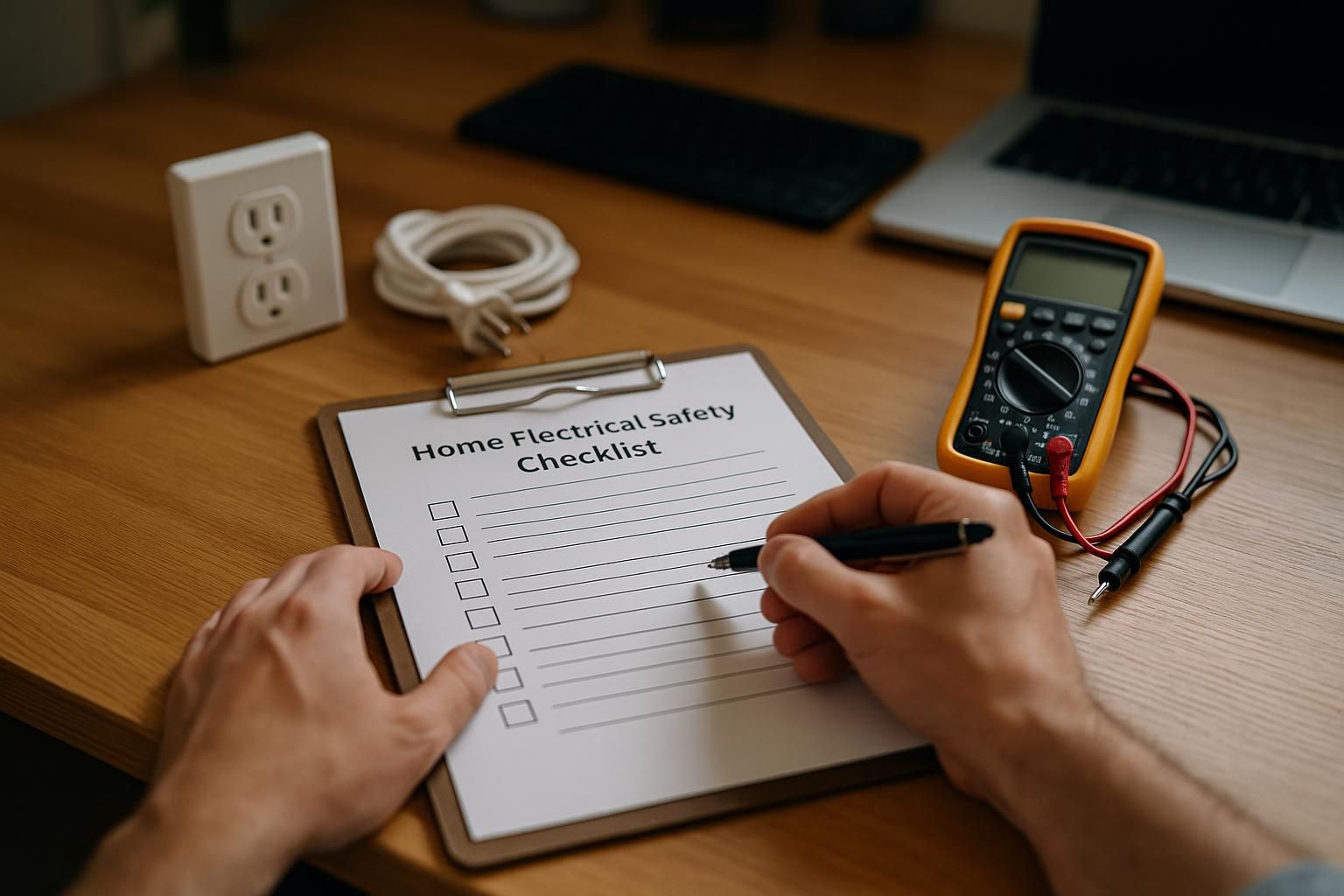
Home Electrical Safety Checklist for Smyrna DE Homes
Electrical safety is not just a good idea, it is an absolute necessity for every homeowner. From charming historic properties in Wilmington to newer builds in Smyrna, keeping your home’s electrical system in top shape protects your family and your investment. Think of this home electrical safety checklist as your personal guide to peace of mind.
Your Essential Home Electrical Safety Checklist
- Check Outlets and Switches: Are any outlets discolored, warm to the touch, or buzzing? Do plugs fit snugly, or do they fall out easily? Loose outlets can be a fire hazard. Make sure GFCI outlets in bathrooms, kitchens, and outdoors are tested monthly.
- Inspect Cords and Plugs: Frayed, cracked, or damaged electrical cords should be replaced immediately. Never run cords under rugs or furniture, where they can overheat or be damaged unnoticed.
- Assess Lighting Fixtures: Ensure light bulbs match the recommended wattage for their fixtures. Over-wattage bulbs can cause overheating. Also, check for any flickering or loose connections.
- Examine Your Electrical Panel: Your main electrical panel, often located in your basement or garage in New Castle County homes, should be easily accessible. Check for rust, corrosion, or any unusual humming sounds. All breakers should be clearly labeled. If you notice issues, it might be time for a service panel upgrade.
- Review Appliance Connections: Major appliances like refrigerators, washers, and dryers often require dedicated circuits. Are yours properly wired? Watch for any burning smells or unusual noises when appliances are running.
- Outdoor Electrical Safety: For homes with pools in Kent County, proper electrical wiring and bonding are crucial for safety. Ensure all outdoor outlets have weatherproof covers and are GFCI protected.
- Test Smoke and CO Detectors: While not strictly “electrical wiring,” these devices rely on your home’s power (or batteries) to function. Test them monthly and replace batteries annually.
If any item on this home electrical safety checklist raises concerns, or if you simply prefer a professional eye, it is always best to consult with an experienced electrician. For expert help in Smyrna, Wilmington, and surrounding Delaware communities, contact Conductive Electrical Contracting.
Inspect Outlets, Switches, and Wiring
A thorough look at your home’s outlets, switches, and visible wiring is a vital part of any effective home electrical safety checklist. These components are constant workers, and wear and tear can lead to significant hazards if left unaddressed. Regular inspection helps ensure your electrical system operates safely and efficiently.
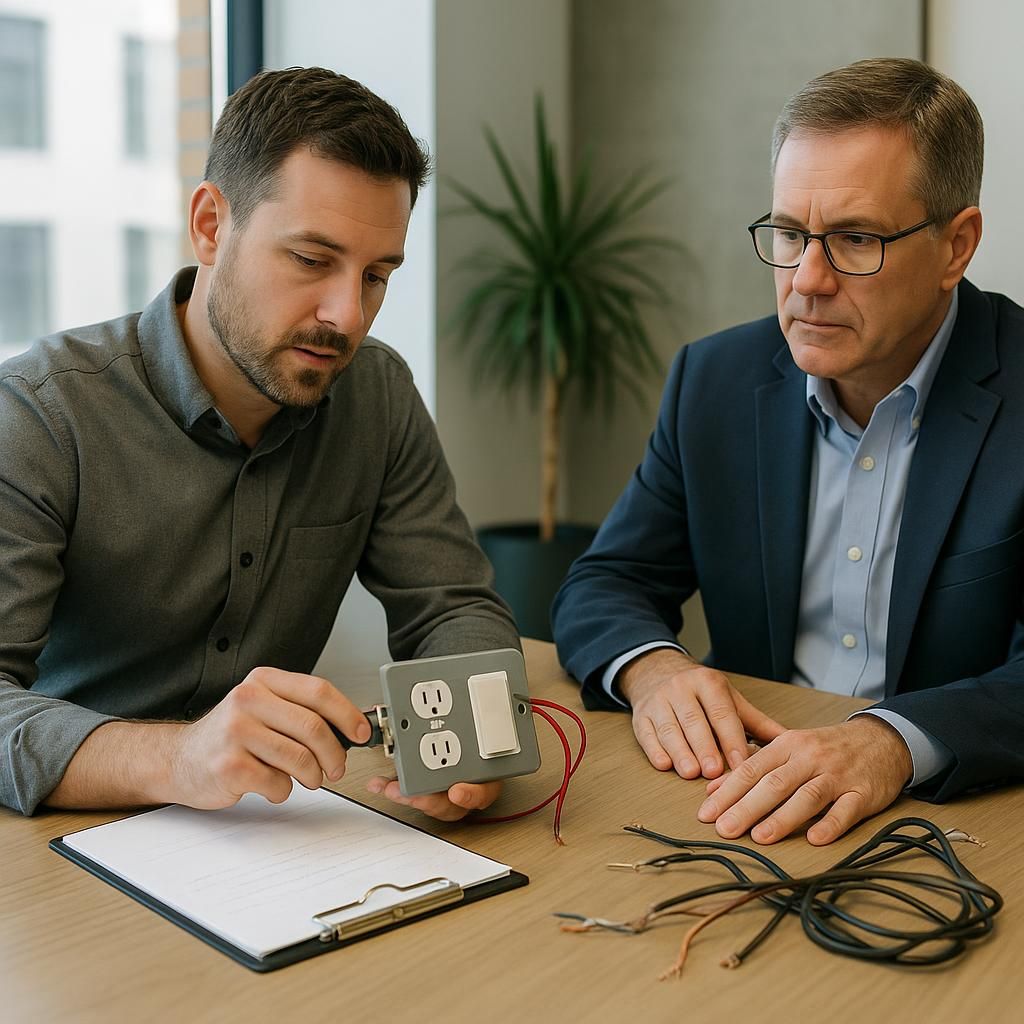
Outlets: Your Home’s Connection Points
- Visual Inspection: Look for any discoloration, scorch marks, or warmth around your outlets. These are immediate indicators of overheating and demand attention.
- Loose Plugs: If plugs fit loosely or fall out easily, the connection inside could be faulty, leading to arcing and potential fire risks. If you notice these issues, it may be time to troubleshoot electrical outlet problems.
- GFCI Protection: Confirm that outlets in bathrooms, kitchens, garages, basements, and outdoor areas have Ground Fault Circuit Interrupters. Test them monthly by pressing “TEST,” then “RESET,” a critical safety habit for homeowners across Wilmington and New Castle County.
- Tamper-Resistant Receptacles (TRRs): For homes with children, TRRs are an excellent upgrade. They prevent foreign objects from being inserted into the slots, greatly enhancing safety.
Switches: Beyond the Flip
- Feel for Warmth or Buzzing: A light switch should never feel warm to the touch or emit a buzzing sound. Either symptom suggests an internal wiring problem or a failing switch.
- Flickering Lights: If operating a switch causes lights to flicker elsewhere in the room or home, it often points to a circuit issue that needs professional evaluation.
- Intact Faceplates: Always ensure all switch plates are intact and securely fastened. Cracked or missing plates expose live wiring, creating an immediate shock hazard.
Wiring: The Hidden Dangers
- Visible Wiring & Appliance Cords: Inspect all visible appliance cords and extension cords for fraying, cuts, or exposed wires. Damaged cords are fire hazards.
- Extension Cord Misuse: Remember, extension cords are designed for temporary use only. Never run them under rugs, through doorways, or as permanent solutions, as this can damage insulation and create fire risks. If you need consistent power in a particular spot, a new dedicated outlet is often the safest solution.
- Aluminum Wiring Concerns: For homes built approximately between the mid-1960s and mid-1970s, particularly those in older Smyrna neighborhoods, there’s a possibility you have aluminum wiring. This material can pose unique fire hazards due to its thermal expansion and contraction properties at connection points. If you suspect this type of wiring in your home and are considering aluminum wiring replacement, it is always wise to contact Conductive Electrical Contracting for a professional assessment.
Evaluate Your Electrical Panel and Service Capacity
Your home’s electrical panel is the central hub of your power system. It safely distributes electricity throughout your property. If this critical component is old, overloaded, or damaged, it poses significant risks to your family and your home, especially in areas like Smyrna DE and New Castle County DE.
Is Your Panel Equipped for Modern Demands?
Today’s homes use far more electricity. From numerous appliances to electronics, current demands easily overwhelm outdated systems. An undersized panel often struggles, leading to frequent tripped breakers, flickering lights, or even a fire hazard.
Warning Signs Your Electrical Panel Needs Attention
Inspect your electrical panel, typically in your basement or garage. Watch for these common indicators:
- Frequent Breaker Trips: Do breakers trip often, especially when running multiple appliances?
- Flickering or Dimming Lights: Lights flicker or dim when major appliances activate.
- Buzzing Sounds or Burning Odors: Any unusual sounds or a burning smell from the panel are serious.
- Warmth to the Touch: The panel cover should always be cool. Heat signals overloaded circuits.
- Visible Damage: Look for rust, corrosion, scorch marks, or loose wires.
- Outdated Fuses: If your home still uses a fuse box instead of a circuit breaker panel, it likely needs a panel upgrade.
Do not ignore these signs. If you notice any issues, or if your panel is over 20-30 years old, a professional evaluation is essential. An expert can assess your electrical capacity and recommend necessary updates, such as a service panel upgrade, ensuring safety and efficiency for your home in Wilmington DE and surrounding areas. For peace of mind, we invite you to contact Conductive Electrical Contracting for a thorough inspection.
Install Surge Protection and Backup Generators
Modern homes are filled with sensitive electronics, from smart TVs to essential medical devices. Protecting these valuable investments, and ensuring your family’s comfort and safety, is a key part of any comprehensive home electrical safety checklist. This involves considering both surge protection and the peace of mind a backup generator offers.
Guard Against Power Surges
What happens when lightning strikes nearby, or when the power grid experiences a sudden fluctuation? These events can send powerful electrical surges through your home’s wiring. Such surges act like a mini-tsunami for your circuits, capable of frying electronics, damaging appliances, and even posing a fire risk. While point-of-use surge protectors offer some defense for individual devices, they cannot protect everything.
A whole-home surge protector is installed directly at your electrical service panel, providing a robust first line of defense for every circuit and appliance in your house. Given Delaware’s often unpredictable weather, especially the summer thunderstorms common from Smyrna to Wilmington, this upgrade is a smart investment in protecting your entire home’s electrical integrity.
Power Through Outages with a Backup Generator
Imagine a harsh winter storm sweeping through New Castle County, leaving thousands without power for hours, or even days. A backup generator ensures your home remains operational, keeping critical systems like heating, refrigeration, and medical equipment running. This isn’t just about convenience; it is about maintaining safety and preventing costly issues like frozen pipes or spoiled food.
Standby generators monitor your home’s power supply and automatically kick in when an outage occurs, seamlessly restoring electricity. They run on natural gas or propane and are a significant upgrade over portable units, which require manual setup and refueling. Considering these upgrades for your home? For expert installation and advice, you can always contact Conductive Electrical Contracting.
Lighting and Appliance Safety Tips
Your lighting and appliances are direct interfaces with your electrical system. Understanding safe usage prevents common hazards, keeping your Smyrna home and family secure.
Cords, Plugs, and Power Strips
We often need more outlets, especially with modern tech. But managing these connections is crucial. Overloading extension cords and power strips is a leading cause of electrical fires. For a comprehensive overview, review our electrical safety checklist. Always ensure cords are rated for the appliance. Never “daisy-chain” multiple power strips; it creates a dangerous load, much like too many cars on a small road.
Regularly inspect all cords for fraying or damage. Incorporating this into your home electrical maintenance checklist helps keep your system in top shape. If you find wear, replace the cord immediately. Do not attempt DIY repairs; professional help is always the safest option.
Illuminating Your Home Safely
The right bulb in the right fixture is vital. Exceeding a fixture’s recommended wattage causes overheating, which can damage the fixture or start a fire. Always check the maximum wattage listed on your lamps.
For recessed lighting, use bulbs specifically designed for enclosed fixtures (often “IC rated” for insulation contact). This prevents heat buildup in your ceiling, a key concern for many homes throughout New Castle County.
Smart Appliance Habits
Everyday appliances need attention too. Always keep electrical appliances away from water sources, particularly in kitchens and bathrooms. Unplug small appliances when not in use; it prevents accidental shorts or overheating.
If an appliance repeatedly trips a circuit breaker, it signals a problem. To learn more about common causes, see our article on reasons circuit breakers trip. Do not ignore it. Instead, contact Conductive Electrical Contracting to investigate this potential issue.
Schedule a Professional Inspection with Local Experts
Completing your home electrical safety checklist is a smart, proactive step, but a professional eye sees things your checklist might miss. Are you truly confident about the condition of the unseen wiring behind your walls? Expert electrical inspections offer a thorough evaluation, identifying hidden hazards like aging circuits, frayed wires, or overloaded systems before they escalate.
For over 20 years, Conductive Electrical Contracting, a BBB accredited, family-owned business, has ensured electrical safety for homes across Smyrna DE, Wilmington DE, and the wider New Castle County area. Our licensed and insured electricians provide invaluable peace of mind, spotting potential issues before they become serious problems. Don’t leave your family’s safety to chance. To learn more or schedule an appointment, you can contact Conductive Electrical Contracting.
Frequently Asked Questions
What are the most common electrical hazards found in homes?
Overloaded outlets, frayed or damaged cords, and ungrounded wiring are frequent electrical dangers. Always be vigilant for warning signs like warm outlets, flickering lights, or strange odors. These can often be signs of common electrical wiring problems .
How often should I perform an electrical safety check in my home?
It is wise to perform a visual check of your home’s electrical system annually, focusing on outlets, cords, and appliance connections. For homes in areas like Smyrna or Wilmington, consider a professional inspection every 5-10 years, especially if your home is older. Utilizing a comprehensive electrical home safety checklist can help guide your visual inspections.
What should I do if an electrical outlet feels hot to the touch?
Immediately unplug any devices from the hot outlet and turn off the power to that circuit at your service panel. A hot outlet indicates a serious wiring issue, so you should not use it again until a qualified electrician has inspected and repaired it.
Are older homes in Delaware more susceptible to electrical problems?
Yes, older homes, common in New Castle County and parts of Kent County, often have outdated wiring systems like knob and tube or aluminum wiring . These systems may not safely handle modern electrical loads and can pose a fire hazard.
How can I best protect my home’s electronics from power surges?
Utilize surge protectors for individual electronic devices and consider installing a whole-home surge protection system . This is a crucial upgrade for safeguarding all your appliances from unexpected power spikes, which can occur during thunderstorms common in our region.
When should I call a professional electrician for a home safety inspection?
You should contact Conductive Electrical Contracting if you experience frequent tripped breakers, flickering lights, unusual buzzing sounds, or if your home is more than 40 years old. A professional can identify hidden hazards and ensure your electrical system meets current safety standards.
Conclusion
A hands-on checklist tailored for Delaware homes, delivered by a family-owned, BBB-accredited local electrical contractor with 20+ years of experience.
About the Author
Jeff King – Jeff King is the owner and lead electrician at Conductive Electrical Contracting, a family-owned Delaware electrical contractor based in Smyrna with over 20 years of experience serving New Castle, Kent, and Cecil counties.