Electrical distribution and lighting equipment, including aging wiring, caused an average of 31,650 home fires annually between 2019 and 2023, resulting in 430 deaths, 1,300 injuries, and $1.6 billion in property damage. If your Delaware home was built before 1980, there is a real chance the wiring inside your walls was never designed to handle today’s electrical demands. Many homeowners assume that fixing a tripped breaker or replacing a single outlet is enough to stay safe. It is not. This article walks you through the actual risks of old wiring, how to spot the warning signs, what your replacement options look like, and why a proper upgrade pays off far beyond just safety.
Table of Contents
- Recognizing the risks of old wiring in Delaware homes
- How to tell if your wiring needs replacement
- Replacement vs. repair: Options and cost-risk considerations
- Beyond safety: Modern benefits of upgrading your wiring
- Why shortcuts with old wiring rarely pay off
- Next steps: Delaware wiring upgrade experts
- Frequently asked questions
Key Takeaways
| Point | Details |
|---|---|
| Safety first | Old wiring is a major cause of house fires, so upgrading is critical for protecting your family and property. |
| Inspection matters | Homes built before 1980 should get professional wiring inspections to spot risks early. |
| Upgrade benefits | Rewiring boosts safety, supports modern technology, and can lower your insurance rates. |
| Don’t rely on patches | Patchwork repairs might seem easy but ultimately increase risk and end up costing more. |
| Delaware expertise | Local electricians understand state codes and offer tailored solutions for your home. |
Recognizing the risks of old wiring in Delaware homes
Aging electrical systems are not just an inconvenience. They are a genuine fire and injury risk, and the numbers back that up. The NFPA reports 31,650 fires annually tied to electrical distribution and lighting equipment, and a large share of those fires trace back to wiring that was simply too old, too worn, or too overloaded.
Several factors make old wiring especially dangerous:
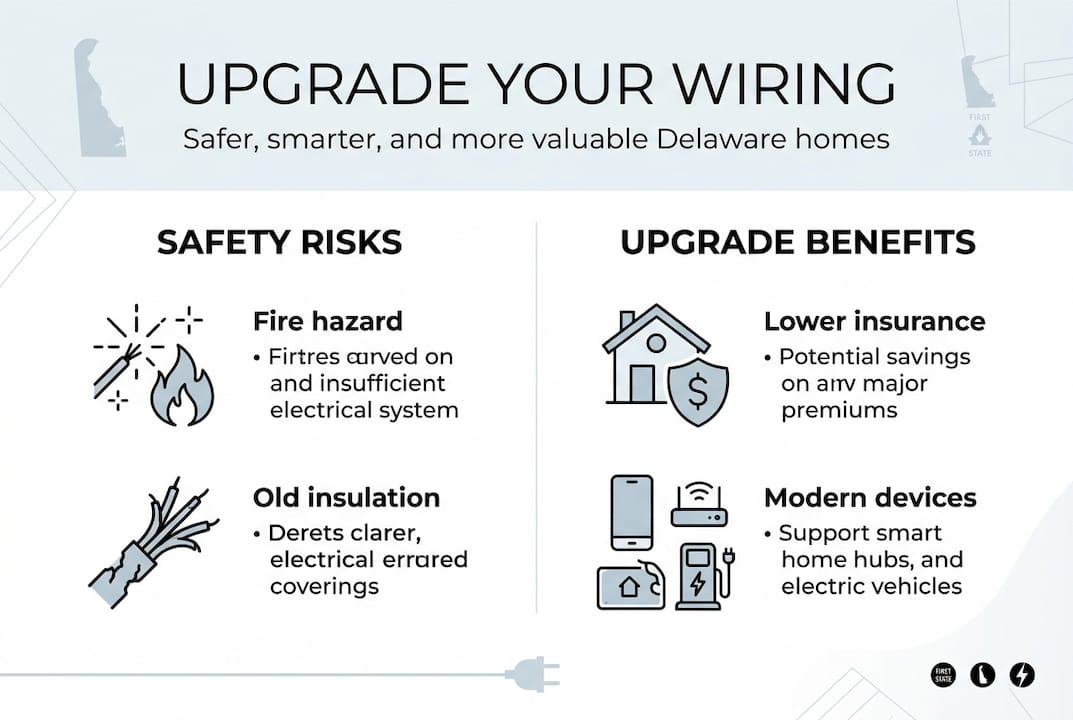
- Age of the wiring: Insulation on wiring installed before the 1970s often used rubber or cloth materials that crack and crumble over time.
- Increased electrical load: Homes built 50 years ago were not designed for multiple televisions, computers, EV chargers, and smart appliances running simultaneously.
- Aluminum wiring: Homes built between 1965 and 1973 may contain aluminum branch circuit wiring, which expands and contracts differently than copper and creates loose connections that spark.
- Knob-and-tube wiring: Found in homes built before 1950, this system lacks a ground wire and cannot safely support modern grounded appliances.
The bigger problem is what happens when homeowners try to patch these systems. Replacing one outlet or adding a new circuit without addressing the underlying wiring condition can actually make things worse. As patchwork repairs increase long-term risk because they mask deeper problems without resolving them. A licensed electrician looking at your full system will catch issues that a quick fix will never reveal.
“Addressing only the visible problem in an older home is like putting a bandage on a broken bone. The underlying structure still needs attention.”
Before you decide on any repairs, use a thorough electrical safety checklist to document what you are seeing, and if you ever face a sudden failure, review an emergency repair guide so you know exactly what steps to take before a licensed electrician arrives.
How to tell if your wiring needs replacement
Not every old home has a crisis on its hands, but certain warning signs should never be ignored. Knowing what to look for helps you act before a problem becomes a disaster.
Here are the most common indicators that your wiring deserves a professional evaluation:
- Flickering or dimming lights that are not caused by a bulb issue often point to loose connections or overloaded circuits.
- Warm or discolored outlets and switch plates suggest heat buildup, which is a pre-fire condition.
- Frequently tripped breakers mean your circuits are regularly exceeding their capacity.
- Buzzing or crackling sounds from outlets or panels are a serious warning sign of arcing electricity.
- A persistent burning smell with no obvious source often means wiring insulation is overheating inside the walls.
- Two-prong outlets throughout the home indicate the absence of a ground wire, which is a code and safety issue.
If your home was built before 1980, it should be your first priority for inspection. Delaware follows NEC guidelines that emphasize inspection priority for older homes, especially when major upgrades or renovations are planned. Insurance companies are also increasingly scrutinizing older wiring when policies are renewed.
That said, not every pre-1980 home needs a full rewire immediately. A professional assessment is critical to determine whether your specific wiring is still intact and functional or whether it poses an active risk. A licensed Delaware electrician can evaluate insulation condition, panel capacity, grounding, and code compliance in a single visit.
Pro Tip: Ask your electrician specifically about aluminum wiring and knob-and-tube during any inspection. These two systems require different solutions and carry different risk profiles than standard copper wiring.
For a structured way to approach this evaluation, the house repair safety checklist from Conductive Electrical Contracting walks Delaware homeowners through each step.
Replacement vs. repair: Options and cost-risk considerations
Once you know your wiring has issues, you face a choice: patch it, partially upgrade it, or rewire the whole house. Each option carries different costs, risks, and long-term outcomes.
| Option | Upfront cost | Risk reduction | Insurance impact | Best for |
|---|---|---|---|---|
| Full rewire | Highest | Maximum | Most favorable | Homes with widespread issues |
| Partial upgrade | Moderate | Moderate | Varies by carrier | Targeted problem areas |
| Patchwork repair | Lowest | Minimal | Often none | Isolated, minor issues only |
The NEC does allow grandfathered wiring to remain in place if it is deemed safe during inspection. But many insurance carriers in Delaware do not share that flexibility. Some will refuse to insure homes with knob-and-tube or aluminum wiring outright, while others charge significantly higher premiums. That gap between code compliance and insurance reality is something many homeowners do not realize until renewal time.
Partial fixes like GFCI outlet upgrades, arc-fault circuit interrupters, or pigtail connectors for aluminum wiring are legitimate tools. They can reduce specific risks and bring certain areas up to code. However, as full rewiring is the gold standard when it comes to long-term safety, resale value, and peace of mind. Partial fixes address symptoms, not the source.
Benefits of a full rewire include:
- Complete elimination of aging insulation and outdated wire types
- Full code compliance under current NEC and Delaware amendments
- Improved resale value because buyers and their inspectors will flag old wiring
- Insurance eligibility with a wider range of carriers at better rates
If a full rewire is not in your immediate budget, explore safe wiring upgrades that prioritize the highest-risk areas first. For homes with aluminum wiring specifically, aluminum to copper replacement is a targeted solution that addresses one of the most common hazards in Delaware homes built during the 1960s and 1970s.
Beyond safety: Modern benefits of upgrading your wiring
Upgrading your wiring is not just about avoiding disaster. It is also about making your home ready for the way people actually live today and where technology is heading.
| Modern upgrade | What it enables |
|---|---|
| Updated wiring and panel | EV charger installation, solar panel connection |
| AFCI and GFCI circuits | Smart home device safety and code compliance |
| Increased amperage | High-draw appliances, home offices, and media rooms |
| Grounded outlets throughout | Safe operation of all modern electronics |
Delaware homeowners who rewire their homes are in a much better position to install solar panels, add an EV charger, or connect a whole-home generator without worrying about whether the electrical system can handle the load. Delaware’s NEC amendments also reflect these modern demands, with updated requirements around EV readiness and energy efficiency that older wiring simply cannot meet.
Insurance savings are another real benefit. Many carriers offer lower premiums after a verified rewiring project because the fire risk profile of the home drops significantly. Over 10 to 15 years, those savings can offset a meaningful portion of the upgrade cost.
Pro Tip: If you are rewiring, talk to your electrician about upgrading your panel at the same time. A 100-amp panel is often insufficient for modern homes. Moving to 200 amps gives you room for an EV charger, solar system, and future additions without maxing out your capacity.
For homes planning ahead, review what code compliant wiring looks like for new installations, explore EV charger installation options in Wilmington and Smyrna, and read the panel upgrade safety guide to understand what a full service panel upgrade involves.
Why shortcuts with old wiring rarely pay off
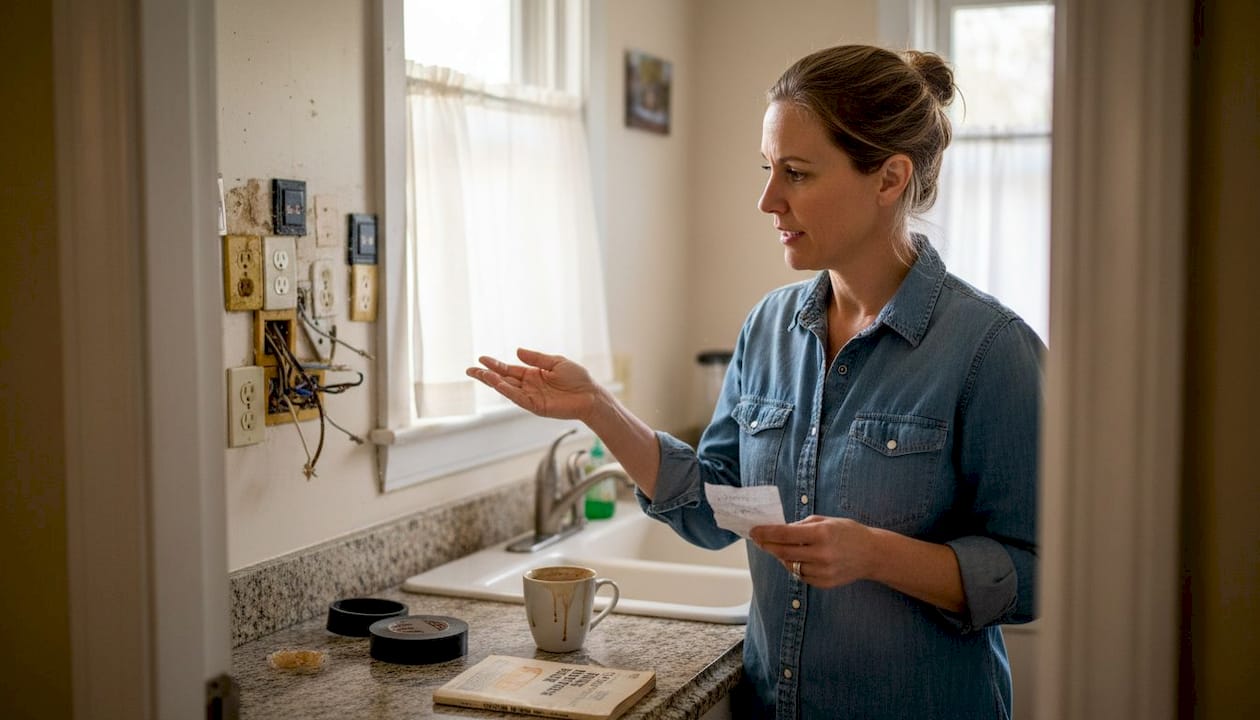
After more than 20 years of working in Delaware homes, we have seen the same pattern repeat itself. A homeowner notices a problem, calls for a quick fix to save money, and then calls again two years later because the real issue was never addressed. The second visit always costs more than the first would have if done right.
Patchwork repairs are tempting because they are cheaper upfront. But patchwork repairs increase risk and long-term costs in ways that are not always visible until something goes wrong. Old wiring was not built for smart TVs, home offices, electric vehicles, or the dozen other devices plugged in at any given moment in a modern Delaware home. Every added load pushes aging insulation and connections closer to failure.
The homeowners who feel most at ease are the ones who invested in a thorough inspection and a proper upgrade. They are not wondering whether that flicker means something serious. They know their home is safe, their insurance is solid, and their wiring can handle whatever comes next. That peace of mind is worth more than the short-term savings from a patch job. Licensed professional repairs done correctly the first time are always the better investment.
Next steps: Delaware wiring upgrade experts
If this article has you thinking about the wiring in your Delaware home, that instinct is worth acting on. Conductive Electrical Contracting has served homeowners across Wilmington, Smyrna, and surrounding areas for over 20 years, and we know what Delaware homes need to be safe, code-compliant, and ready for modern living.
Whether you need a full inspection, targeted electrical repairs, a service panel upgrade, or complete aluminum wiring replacement, our licensed team is ready to walk you through your options without pressure. We offer free estimates and current savings on select services. Contact us today to schedule your inspection and find out exactly where your home stands.
Frequently asked questions
Is all old wiring in Delaware homes unsafe?
Not all old wiring is immediately hazardous, but age, wear, and increased electrical demand often require replacement. Some older wiring can be grandfathered under NEC if it remains intact, but a professional inspection is the only reliable way to know.
How often should wiring be inspected in older Delaware homes?
Homes built before 1980 should be inspected every 10 to 15 years or before any major electrical upgrade. Delaware inspection guidelines prioritize these older homes due to the higher likelihood of outdated materials and inadequate capacity.
Can you safely patch wiring problems or should you always rewire?
Patchwork can temporarily address isolated issues, but full rewiring is safer and more cost-effective over time. Patchwork repairs increase risk by masking deeper problems that continue to deteriorate inside your walls.
Does upgrading wiring help with insurance rates in Delaware?
Yes, verified wiring upgrades can lower your premiums and improve eligibility with more carriers. Lower insurance after upgrades is a documented benefit that many Delaware homeowners overlook when calculating the true return on a rewiring project.